The CogniViiSION™ Method - Frequently Asked Questions
Frequently Asked Questions
Here is a comprehensive list of frequently asked questions, crafted from the authentic voices of patients and parents. The answers are designed to provide clarity and hope by explaining how the CogniViiSION™ Method is fundamentally different from other approaches and why it is the most effective solution for unlocking your true potential.
Healing the Brain, Not Just the Eyes
The CogniViiSION™ Method is fundamentally different from traditional vision therapy.
We address the root cause—the brain’s ability to process visual information.
Think of Your Vision as Your Brain’s Operating System
If that operating system is inefficient or has glitches, it doesn’t matter how strong the hardware (your eye muscles) is. You will still experience crashes, slowdowns, and errors—which show up as fatigue, anxiety, difficulty reading, balance issues, or attention problems.
Instead of just training the eyes, we retrain the brain-eye connection using neuroplasticity—the brain’s remarkable ability to reorganize itself and form new neural pathways.
|
Feature |
Traditional Vision Therapy |
The CogniViiSION™ Method |
|
Primary Focus |
Strengthening eye muscles, practicing isolated visual skills. |
Retraining the brain-eye connection and visual processing system. |
|
Underlying Principle |
Repetitive exercise and muscle training. |
Neuroplasticity: creating new, efficient neural pathways. |
|
Evaluation |
Standard functional vision exam. |
Comprehensive Brain-Vision Evaluation assessing the entire neurological process. |
|
Approach |
Often a one-size-fits-all series of exercises. |
Fully individualized program based on neurological mapping. |
|
Goal |
Improve specific visual skills (e.g., tracking, teaming). |
Optimize the brain’s entire “operating system” to improve performance, regulation, and recovery across all areas of life. |
The CogniViiSION™ Difference: Healing the Brain, Not Just the Eyes
That is an excellent and crucial question. It is completely understandable to wonder if this is just another set of eye exercises, especially if you have explored other options without success. The CogniViiSION™ Method is fundamentally different from what is commonly known as “vision therapy.” While traditional vision therapy often focuses on strengthening eye muscles or practicing specific visual skills in isolation, the CogniViiSION™ Method is a neuro-optometric approach that addresses the root of the problem: the brain’s ability to process visual information.
Think of your vision as the operating system for your brain. It is the primary way your brain understands and interacts with the world. If that operating system is inefficient or has glitches, it doesn’t matter how strong the hardware (your eye muscles) is. You will still experience crashes, slowdowns, and errors—which show up as fatigue, anxiety, difficulty reading, balance issues, or attention problems. [1]
Instead of just training the eyes, we retrain the brain-eye connection. We use the principles of neuroplasticity, the brain’s remarkable ability to reorganize itself and form new neural pathways, to build a more efficient and resilient visual processing system. Our comprehensive Brain-Vision Evaluation goes far beyond a standard eye exam to map out exactly how your brain is processing visual information, allowing us to create a truly individualized program that creates lasting change.
For Parents of Children (Developmental & School-Age)
It is incredibly frustrating and heartbreaking to watch your bright child struggle when you know they are capable of so much more. What you are describing is a story we hear every day, and you are right to sense that something deeper is going on. The belief that “20/20 vision” equals perfect vision is the single most damaging myth in children’s healthcare. [2]
A school vision screening only tests a child’s ability to see clearly at a distance of 20 feet. It fails to test the 17 essential visual skills required for learning, such as eye tracking, focusing, teaming, and visual processing. [3] In fact, these screenings can miss up to 75% of vision problems that directly impact a child’s ability to succeed in school. [4]
For your child, reading is not a passive activity. It requires their brain to coordinate their eyes to track across a page, focus on letters, interpret those symbols into meaning, and sustain that effort. When this process is inefficient, the brain has to work incredibly hard just to keep the words clear and in order. This massive drain of energy is what leads to the frustration, avoidance, and meltdowns you are seeing. It is not a behavioral issue; it is a neurological overload. The CogniViiSION™ Method identifies the specific inefficiencies in your child’s visual processing system and retrains their brain to work more efficiently, making learning feel natural and intuitive instead of like a constant battle.
You are asking a question that gets to the heart of why so many children continue to struggle despite having the right support and a loving home. The symptoms of an undiagnosed visual processing disorder and conditions like ADHD and Dyslexia can look nearly identical: short attention span, difficulty reading, carelessness, and acting out. [5] Many children are misdiagnosed when, in fact, their inattention is a direct result of their brain being overwhelmed by a chaotic and inefficient visual system.
Occupational Therapy (OT) is invaluable for helping children with motor skills and daily tasks. However, an OT is not trained to diagnose or treat the underlying neuro-visual pathways. They can provide strategies to compensate for a problem, but they cannot correct the root neurological cause. [6] The CogniViiSION™ Method is different. We don’t teach compensation; we rebuild the foundation. By addressing the visual processing inefficiencies that are forcing your child’s brain to work so hard, we can often reduce or eliminate the very symptoms that led to the initial diagnosis, allowing your child’s true intelligence and focus to shine through.
For Patients with Brain Injury & Concussion
Your frustration is completely valid. The outdated advice to simply “rest and wait” after a concussion has left countless people feeling abandoned and hopeless when their symptoms don’t disappear. In fact, research now shows that prolonged rest can actually be detrimental to recovery. [7] The reason you are still struggling is that your injury wasn’t just to your head; it was a disruption to your brain’s entire operating system, and vision is the primary driver of that system.
After a concussion, the connection between your brain and your eyes is often damaged, leading to a host of persistent symptoms like light sensitivity, double vision, balance issues, and an inability to focus. Physical Therapy (PT) is excellent for addressing balance and vestibular issues, but a physical therapist is not equipped to diagnose and treat the underlying neuro-optometric problems. They cannot prescribe the specialized prism lenses or conduct the advanced therapies needed to retrain your brain-eye connection. [8]
The CogniViiSION™ Method focuses on habilitation—building new, efficient neural pathways to compensate for the ones that were damaged. We conduct a comprehensive evaluation to pinpoint the exact source of your visual processing dysfunction. We then use targeted therapies to help your brain relearn how to process visual information correctly, which can finally alleviate the debilitating symptoms you have been living with and help you reclaim your life.
First, please know that you are not going crazy, and you are not alone. What you are experiencing are classic symptoms of Post-Concussion Vision Syndrome, and they are very real. Your regular eye doctor is correct that your eyes are likely healthy, which is what makes this condition so confusing for patients and untrained providers. The problem is not in your eyes; it is in how your brain is processing the information your eyes are sending it. [9]
Think of it like this: your eyes are like two perfect cameras, but the wire connecting them to the computer (your brain) has been frayed. The computer is now receiving two slightly different images and is struggling to merge them into one clear picture. This neurological struggle is what causes double vision, words appearing to move, and the overwhelming feeling in visually busy environments. Your brain is working so hard to make sense of the chaotic input that it becomes exhausted, leading to headaches, dizziness, and brain fog.
The CogniViiSION™ Method is designed specifically for this problem. We don’t just check your eye health; we analyze the entire visual processing pathway to find where the communication is breaking down. Through a personalized program of neuro-optometric rehabilitation, we help your brain rebuild those connections, allowing it to process visual information efficiently again. This is how we help you move from a state of constant struggle to one of clarity and control.
For Adults & Seniors (55+)
It is a common belief that a decline in balance and confidence is an inevitable part of aging, but this is often not the case. While many changes occur as we get older, what you are describing is frequently linked to treatable inefficiencies in the visual system. Vision is the primary sense the brain uses to understand your body’s position in space, which is critical for maintaining balance. [10]
As we age, the brain’s ability to process visual information can become slower or less efficient. This can cause a subtle mismatch between what your eyes see and what your brain perceives, leading to that feeling of unsteadiness, a fear of falling, or a lack of confidence when navigating complex environments like driving. These are not signs of “old eyes”; they are signs of an aging brain-vision connection.
The CogniViiSION™ Method for Neuro-Vision Longevity focuses on optimizing this connection. Through a comprehensive evaluation, we identify the specific visual processing skills that may be contributing to your balance and confidence issues. By retraining these pathways, we can help you feel more stable, react more quickly, and continue to enjoy the independence and activities you love with renewed safety and self-assurance.
Logistics & Commitment
This is an important and practical question. We believe in being completely transparent about the commitment involved. Yes, neuro-optometric rehabilitation is a significant investment, both in terms of time and finances. This is because we are not offering a quick fix or a temporary patch; we are fundamentally rebuilding and retraining your brain’s visual processing system for lasting results. The cost reflects the one-on-one time with the doctor, the use of advanced therapeutic technology, and a program completely customized to your unique neurological profile.
Most of our patients come to us after they have already spent years and thousands of dollars on other therapies, tutors, and doctor’s visits that failed to address the root cause of their struggles. They have experienced the immense cost of not treating the problem—the cost to their child’s self-esteem, their own career, their quality of life, and their family’s well-being.
The question of whether it is “worth it” is deeply personal. We can tell you that for our patients, the ability to read without a struggle, to work without debilitating headaches, to play without dizziness, or to walk without fear of falling is priceless. During your initial Brain-Vision Evaluation, we will be able to determine with a high degree of certainty whether you are a candidate for our program. We only accept patients we are confident we can help, so you can make an informed decision about this life-changing investment.
Your concern about the time commitment is completely understandable, especially if you have already invested months or years in other therapies without seeing the results you hoped for. The duration of the CogniViiSION™ program varies based on the complexity and severity of your unique visual processing challenges. For some patients, significant improvements can be seen within a few months, while others may require a longer commitment to achieve optimal and lasting results.
What sets the CogniViiSION™ Method apart is not just the time frame, but the efficiency and effectiveness of the treatment. Traditional vision therapy often involves weekly office visits plus daily homework exercises, which can feel overwhelming for already-stressed families. Our approach is more intensive and targeted, focusing on creating neurological change at a deeper level. This means that while the program requires commitment, the results are more profound and enduring.
We also understand that life is busy. During your initial evaluation, we will provide a clear roadmap of what to expect, including the estimated timeline and the specific milestones we will be working toward. You will never feel like you are in the dark about your progress. Most importantly, our patients report that the transformation they experience—whether it is a child who suddenly loves reading, an adult who can work without pain, or a senior who feels safe walking again—makes every moment of the commitment worthwhile.
This is one of the most painful questions we hear, and we wish the answer were simpler. The reality is that most insurance companies do not yet recognize the profound medical necessity of neuro-optometric rehabilitation, which means many families are left to pay out of pocket. This is deeply frustrating, especially when you know your child or you need help.
However, we encourage you to consider the true cost of not addressing the problem. How much are you currently spending on tutors, medications, therapies, and doctor’s visits that are only addressing symptoms rather than the root cause? How much is it costing your child’s self-esteem to feel “stupid” or “lazy” when they are actually brilliant? How much is it costing you in lost work productivity, stress, or the inability to do the things you love?
We offer several options to make the program more accessible, including payment plans and financing options. We also provide the documentation you need to submit claims to your insurance company for potential reimbursement, and we can help you explore Health Savings Accounts (HSAs) or Flexible Spending Accounts (FSAs) as payment options. Our goal is to ensure that financial barriers do not prevent you from accessing the care that can truly change your life.
Differentiating from Other Providers
This is a critical question, and the answer lies in a unique combination of professional expertise and profound personal experience. Dr. Lorenza’s approach is born from a journey that most of our patients know all too well.
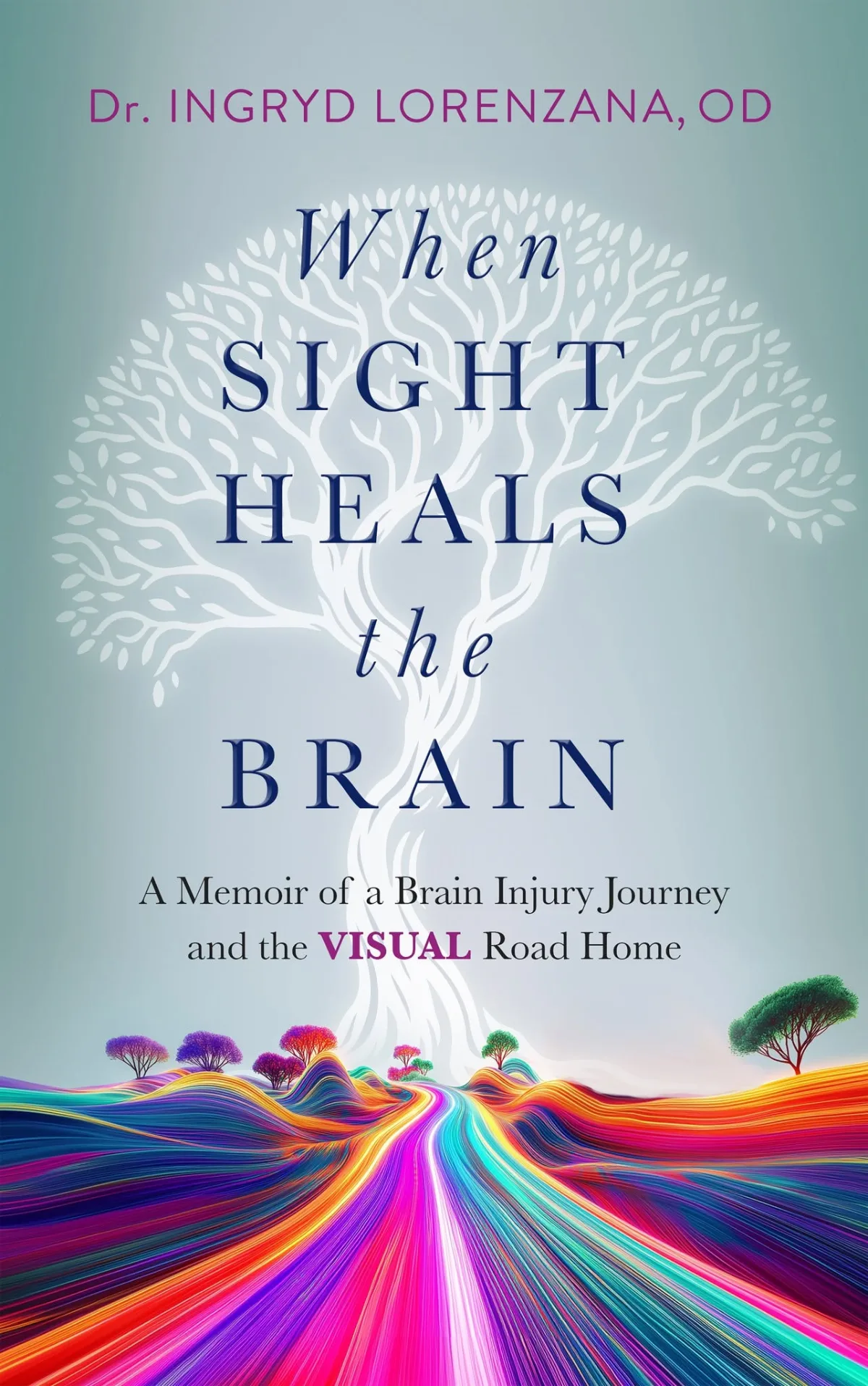
As a child, Dr. Lorenza suffered a brain injury that was never treated, leaving her with lifelong visual dysfunction. Her personal, 50-year search for answers led her through the same frustrating maze of specialists and failed therapies that many of our patients experience. This journey ultimately guided her to optometry school, then to a specialty in pediatric vision, and finally, to the realization that the current systems of care were outdated and incomplete. This is what led to the creation of the CogniViiSION™ Method.
Dr. Lorenza combines over 30 years of professional experience and more than 32 certifications in brain-related technologies with the deep, lived understanding of what it means to struggle with visual dysfunction. This dual perspective is what makes our practice different. We don’t just see a set of eyes; we see an individual with unique goals, a unique brain, and a unique story.
The CogniViiSION™ Method is a specialized approach within neuro-optometry that focuses on optimizing the brain’s entire neural network through the visual pathways. Your regular eye doctor is excellent at what they do, but they simply do not have the training or tools to diagnose and treat the complex brain-vision issues that we address every day. Science tells us that 30-50% of all the neurons in the brain are allocated to process visual information. This is why vision not being optimized can be so detrimental to everyday life, and why our goal is not just to help you see more clearly, but to help you do everything more efficiently.
Occupational Therapists are wonderful professionals who play a vital role in helping children develop the motor skills and strategies they need to succeed in daily tasks. If your child’s OT is incorporating vision activities, that shows they recognize the importance of vision in overall development, which is excellent.
However, there is a critical limitation: an OT is not trained to diagnose or treat the underlying neuro-visual pathways. They can teach your child compensatory strategies—ways to work around a problem—but they cannot prescribe the therapeutic lenses, prisms, or filters that are often essential for retraining the brain-eye connection. They also cannot conduct the comprehensive neuro-optometric evaluation needed to pinpoint the exact source of the visual processing dysfunction. [6]
Think of it this way: if your child had a broken bone, you would not ask a personal trainer to set it, even though the trainer is an expert in movement and exercise. You would go to an orthopedic specialist. Similarly, when it comes to retraining the brain’s visual processing system, you need a neuro-optometrist who has the specialized training and tools to address the root neurological cause.
The most effective approach is often an interdisciplinary one, where your child benefits from both OT for motor skills and the CogniViiSION™ Method for visual processing. However, it is crucial to address the visual system first, as it is the foundation upon which all other skills are built.
Physical Therapy is an essential part of concussion recovery, particularly for addressing balance, vestibular issues, and physical movement. A skilled PT can make a significant difference in your overall recovery. However, PT has important limitations when it comes to treating the visual processing problems that are so common after a brain injury.
First, not all PTs are trained in vision issues. While some have specialized training in vestibular-ocular rehabilitation, many do not. If your PT prescribes vision exercises that are not the correct ones for your specific visual dysfunction, it can actually make your symptoms worse. [8] Second, even if your PT is knowledgeable about vision, they cannot prescribe the specialized prism lenses, therapeutic filters, or advanced neuro-optometric interventions that are often necessary to retrain the brain-eye connection. Only a neuro-optometrist has the training and legal authority to provide these critical tools.
The research is clear: vision therapy conducted by a neuro-optometrist leads to faster recovery from concussion-related visual symptoms than PT alone. [8] This is because we are addressing the root cause—the disruption in how your brain processes visual information—rather than just treating the physical symptoms of imbalance.
Our concussion protocol integrates the current state guidelines for return-to-play and return-to-learn, but it is always tailored to the individual’s unique recovery journey. We recognize that no two brain injuries are the same. A collaborative approach with PT can be ideal, but if you are still experiencing visual symptoms, it is a clear sign that the core neuro-visual component has not been adequately addressed.
Specific Conditions & Age Groups
Your instinct to look for connections is exactly right. The early years of life are when the brain is forming the foundational pathways for all learning, communication, and development. Frequent ear infections can impact not only hearing and speech, but also balance and spatial awareness, which are closely tied to the visual system. If a child’s vestibular system (balance) is compromised, it can affect how their visual system develops, leading to delays in motor skills, coordination, and even early learning.
We can evaluate children as young as infancy, though the specific tests and approaches will be tailored to their developmental stage. For very young children, we observe how they track objects, respond to visual stimuli, and coordinate their eyes and body movements. Early intervention is incredibly powerful because the brain is at its most plastic and responsive during these formative years.
If your toddler is showing signs of developmental delay, it is critical to rule out visual processing issues as a contributing factor. Many children who are labeled as “slow to develop” or who struggle with speech and coordination are actually dealing with an undiagnosed visual system that is not providing their brain with clear, accurate information. Addressing this early can set your child on a completely different developmental trajectory, allowing them to reach their full potential.
Absolutely, and this is one of the most heartbreaking scenarios we see. Your teenager was likely cleared to return to play based on physical symptoms resolving—no more headaches, dizziness has improved, balance seems okay. However, what is often missed is that the visual processing system can remain impaired long after the physical symptoms have subsided. [8]
For a teenager, the demands on the visual system are immense: reading dense textbooks, taking notes from a board, navigating crowded hallways, processing information on screens, and performing in high-pressure social and academic environments. If their brain is still struggling to process visual information efficiently due to the concussion, every one of these tasks becomes exhausting and overwhelming. This cognitive overload often manifests as anxiety, withdrawal, irritability, and a drop in academic performance.
The tragedy is that your teenager may not even realize that their struggles are connected to the concussion. They may think they are “stupid” or “broken,” which erodes their confidence and mental health. The truth is that their brain is working incredibly hard to compensate for a damaged visual processing system, and they are exhausted.
The CogniViiSION™ Method is specifically designed to identify and treat these lingering post-concussion visual symptoms. Through a comprehensive Brain-Vision Evaluation, we can pinpoint the exact areas where their visual processing is still impaired and create a targeted program to retrain those pathways. This is not about “clearing them to play”; this is about restoring their ability to learn, focus, and feel like themselves again. Early intervention is critical, as the longer these issues go unaddressed, the more deeply ingrained the compensatory patterns become, and the harder they are to reverse.
It is very possible that there is more to your experience than simply needing reading glasses. While presbyopia (the age-related loss of near focusing ability) is a normal part of aging and reading glasses can help with clarity, they do not address the efficiency of your visual processing system. If you are feeling unusually fatigued, having difficulty sustaining focus, or noticing that reading is more effortful than it used to be, it may be a sign that your brain-eye connection is becoming less efficient.
As we age, the speed and accuracy with which our brain processes visual information can decline. This can lead to symptoms like eye strain, headaches, difficulty concentrating, and mental fatigue—even with the correct glasses prescription. The CogniViiSION™ Method for Neuro-Vision Longevity is designed to assess and optimize these processing skills, helping your brain work more efficiently with the visual information it receives.
By retraining your visual processing pathways, we can often reduce or eliminate the fatigue and discomfort you are experiencing, allowing you to continue enjoying reading, hobbies, and daily activities with the same ease and pleasure you remember. This is not about accepting decline as inevitable; it is about proactively supporting your brain’s health and function so you can maintain your independence and quality of life for years to come.
The Science & Approach
Neuroplasticity is one of the most exciting discoveries in modern neuroscience, and it is the foundation of everything we do in the CogniViiSION™ Method. For many years, scientists believed that the brain was “fixed” after childhood—that once neural pathways were formed, they could not be changed. We now know that this is not true. The brain has a remarkable ability to reorganize itself and form new neural connections throughout your entire life. [1]
This means that even if you have struggled with visual processing issues for years, or if your brain was injured in a concussion or stroke, it is not too late to create change. Through targeted, intensive, and individualized therapy, we can help your brain build new, more efficient pathways for processing visual information. This is not about “strengthening eye muscles”; it is about retraining the brain itself.
The CogniViiSION™ Method leverages the principles of neuroplasticity by using specific visual and cognitive exercises, therapeutic lenses, and advanced technology to stimulate the brain in precise ways. Over time, these new pathways become stronger and more automatic, leading to lasting improvements in how you see, think, move, and feel. This is why our results are so profound and enduring—we are not just teaching you to compensate for a problem; we are helping your brain fundamentally rewire itself to function more efficiently.
Your skepticism is healthy and warranted, especially in a world where there are many claims and few proven solutions. The CogniViiSION™ Method is grounded in decades of peer-reviewed research in the fields of neuro-optometry, neuroplasticity, and vision science.
The strongest research support exists for treating convergence insufficiency, a common binocular vision disorder. Multiple studies, including the landmark Convergence Insufficiency Treatment Trial (CITT), have shown that office-based vision therapy is over five times more effective than placebo at treating this condition. [1] Research also supports the use of neuro-optometric rehabilitation for post-concussion vision problems, with recent studies showing that vision therapy leads to faster recovery and earlier return to normal activities compared to the “wait and see” approach. [8]
Beyond specific conditions, the principles of neuroplasticity that underpin our method are supported by thousands of studies demonstrating the brain’s ability to reorganize and adapt in response to targeted interventions. Organizations like the College of Optometrists in Vision Development (COVD) and the Neuro-Optometric Rehabilitation Association (NORA) provide extensive resources and research backing the efficacy of these approaches.
What makes the CogniViiSION™ Method unique is not that we invented these principles, but that we have synthesized the best evidence-based practices into a comprehensive, individualized program that addresses the whole person—not just isolated symptoms. During your initial evaluation, we will explain the specific research and evidence that applies to your unique situation, so you can make an informed decision with confidence.
A Brain-Vision Evaluation is a comprehensive, in-depth assessment that goes far beyond what you experience during a routine eye exam. While a regular eye exam focuses on eye health and visual acuity (how clearly you can see letters on a chart), a Brain-Vision Evaluation assesses how your brain processes, interprets, and uses visual information.
During the evaluation, we will conduct a series of tests to measure:
- Eye teaming: How well your two eyes work together at different distances and under different conditions.
- Eye tracking and scanning: Your ability to follow moving objects and efficiently scan across a page of text.
- Focusing ability: How quickly and accurately your eyes can shift focus between near and far distances.
- Visual processing speed: How fast your brain can interpret and respond to visual information.
- Peripheral awareness: Your ability to perceive and respond to information in your side vision.
- Visual-spatial functioning: Your understanding of your body’s position in space, which is critical for balance and coordination.
- Visual-motor integration: How well your eyes and hands work together for tasks like writing, catching, or using tools.
We will also take a detailed history of your symptoms, developmental milestones (for children), injury history, and how your visual challenges are impacting your daily life. This comprehensive picture allows us to create a precise “map” of your visual processing system and identify the specific areas where inefficiencies or dysfunctions exist.
The evaluation typically takes 1-2 hours, and at the end, we will sit down with you to explain our findings in clear, understandable language. We will show you exactly what we found, why you or your child are experiencing the symptoms you are, and what our recommended treatment plan looks like. You will leave with a complete understanding of your visual system and a clear path forward.
Success & Outcomes
This is an important question, and we believe in providing results that you can see and measure. While every brain is unique, our patients consistently experience profound, life-changing transformations. We don’t just promise hope; we deliver objective, quantifiable improvements.
For our school-aged patients, we have seen standardized test scores, administered independently by their own school systems, improve dramatically. It is not uncommon for students to double their expected gains, with some achieving up to 95% improvement in reading and 85% in math. These are not our numbers; they are objective results from the schools themselves.
For our adult patients, success is measured by the return to a life they thought was lost: the ability to work a full day without a debilitating headache, the confidence to drive at night, or the simple joy of reading a book without the words swimming on the page. Many of our most successful patients are people who “failed” traditional vision therapy and came to us feeling hopeless. They leave transformed.
The goal is always to help you achieve the highest level of function possible. For some, this means a complete resolution of symptoms. For others with more complex neurological histories, it means a dramatic improvement in quality of life and the development of a more efficient, resilient visual processing system that provides a solid foundation for all other therapies and life skills.
We only accept patients we are confident we can help. During your comprehensive Brain-Vision Evaluation, we will discuss your specific goals and what you can realistically expect. You can also view testimonials from past patients on our YouTube channel or privately in our office to hear their stories of transformation firsthand.
Our patients consistently report transformations that go far beyond just “seeing better.” Parents tell us their child’s personality has changed—they are happier, more confident, and eager to learn. Adults tell us they have their life back—they can work, drive, and enjoy activities they had given up on. Seniors tell us they feel safe and independent again. These are the outcomes that matter most, and these are the outcomes we are committed to helping you achieve.
If you have tried vision therapy before without success, we understand your hesitation and frustration. However, it is important to recognize that not all vision therapy is the same. Traditional vision therapy often focuses on isolated visual skills (like eye tracking or convergence) without addressing the deeper neurological processing issues. It may also use a more generic, one-size-fits-all approach that does not account for your unique brain-vision profile.
The CogniViiSION™ Method is fundamentally different because we are not just treating your eyes; we are healing your brain. Our approach is built on five core principles:
- Comprehensive Neurological Assessment: We don’t just test isolated visual skills. We map your entire visual processing system to understand how your abilities are impacting your overall function. Our goal is to optimize your whole brain, not just your eyes.
- Individualized, Brain-Based Approach: Because every brain and every person’s goals are different, every program is completely customized to your unique neurological profile. We treat you as an individual, not a set of eyes.
- Integration of Validated Technology: We use a suite of cutting-edge therapeutic tools, each individually validated for its efficacy. Our unique method involves using these technologies collectively in a targeted approach for your specific deficits, allowing you to achieve greater results, faster. This also provides evidence-based tracking of your progress over time.
- Focus on Network Neuroplasticity: We go beyond just training skills. We leverage the principle that “neurons that wire together, fire together” to retrain your brain’s neural pathways for lasting change. We optimize the entire neural network so that, like an efficient home network, your brain can perform any activity in a more efficient, optimized, and ultimately enjoyable manner.
- Holistic Perspective: We look at you as a whole person. We consider how vision interacts with other systems in your body, including nutrition and stress, and integrate lifestyle changes to improve the efficacy of the program and support your long-term brain health and longevity. Dr. Lorenza is certified in nutrition through both the Amen Clinic Method and as an ImPACT Certified Concussion Specialist.
Many of our most successful patients are people who “failed” traditional vision therapy. They come to us feeling hopeless, and they leave transformed. During your evaluation, we will review your previous therapy experience and explain exactly why our approach will be different and why we believe we can help you succeed this time.
Taking the Next Step
The first step is to schedule a comprehensive Brain-Vision Evaluation. This is where we will conduct an in-depth assessment of your visual processing system, take a detailed history, and determine whether you are a candidate for our program.
You can schedule your evaluation by calling our office or visiting our website. We will ask you to complete some intake forms in advance so we can make the most of your time during the evaluation.
During the evaluation, you will have the opportunity to ask all of your questions, see the results of your testing, and understand exactly what is happening in your visual system. If we determine that you are a good candidate for the CogniViiSION™ Method, we will present a customized treatment plan, including the expected timeline, investment, and anticipated outcomes. You will never be pressured to commit on the spot; we want you to take the time you need to make an informed decision that feels right for you and your family.
If you are still unsure whether this is the right step, we encourage you to trust your instincts. If you or your child are struggling, if other approaches have not worked, or if you sense that there is something deeper going on, it is worth investigating. The evaluation itself can provide invaluable insights, even if you ultimately decide not to pursue treatment.
Insurance coverage for neuro-optometric rehabilitation varies widely depending on your specific plan. Some insurance companies will cover a portion of the evaluation and treatment, while others do not. We will provide you with all the necessary documentation to submit to your insurance company for potential reimbursement, and our staff can help you navigate this process.
For payment, we offer several options, including payment plans and financing through third-party companies. We also accept Health Savings Accounts (HSAs) and Flexible Spending Accounts (FSAs), which can help offset the cost.
We understand that the financial investment is significant, and we are committed to working with you to find a solution that makes the program accessible. Our priority is ensuring that you receive the care you need, and we will do everything we can to support you in that goal.
Yes. Our practice is located in Illinois, but we serve patients from all over the country and the world. We have developed a hybrid model that combines intensive in-office therapy blocks with robust telemedicine services. This allows us to create a customized program that works for you, no matter where you live. During your initial evaluation, we will discuss the best logistical approach for your specific needs.
Still have questions?
If you have other questions, feel free to reach out. We’re here to provide the information you need, so don’t hesitate to ask us anything that’s on your mind!
References
- [College of Optometrists in Vision Development. (n.d.). What is Vision Therapy? Retrieved from https://www.covd.org/page/vision_therapy
- Optometrists Network. (n.d.). The 17 Key Visual Skills. Retrieved from https://www.optometrists.org/vision-therapy/guide-vision-and-learning-difficulties/the-17-key-visual-skills/
- American Optometric Association. (n.d.). School-aged Vision: 6 to 18 Years of Age. Retrieved from https://www.aoa.org/healthy-eyes/eye-health-for-life/school-aged-vision
- University of Utah Health. (2024, July 29). Kids’ Eye and Vision Problems: What School Screenings Might Miss. Retrieved from https://healthcare.utah.edu/healthfeed/2024/07/kids-eye-and-vision-problems-what-school-screenings-might-miss
- All About Vision. (2025, July 25). Childhood Vision Problems vs. ADHD: What’s the Difference? Retrieved from https://www.allaboutvision.com/eye-care/parents-kids/childhood-vision-problem-vs-adhd/
- Optometrists Network. (n.d.). Vision Therapy or Occupational Therapy? Retrieved from https://www.optometrists.org/vision-therapy/guide-to-vision-therapy/what-are-the-benefits-of-vision-therapy/vision-therapy-or-occupational-therapy/
- Cognitive FX. (2025, December 10). Concussion Recovery: Why Rest in a Dark Room Is Outdated. Retrieved from https://www.cognitivefxusa.com/blog/how-to-treat-a-concussion
- Concussion Alliance. (n.d.). Vision Therapy. Retrieved from https://www.concussionalliance.org/vision-therapy
- Neuro-Optometric Rehabilitation Association. (n.d.). About Brain Injuries & Vision. Retrieved from https://noravisionrehab.org/patients-caregivers/about-brain-injuries-vision
- Neuro-Optometric Rehabilitation Association. (n.d.). Neuro-Optometric Rehabilitation For Persons with a TBI or CVA. Retrieved from https://www.covd.org/resource/resmgr/certification_study_guide/neuro-optometric_rehab_of_tb.pdf
Why the CogniViiSION™ Method is the Best Choice
If you have read this far, it is because you are searching for answers. You know that something is not right, and you are tired of being told to “wait and see” or that “this is just how it is.” You deserve better, and so does your child, your loved one, or yourself.
The CogniViiSION™ Method is not just another therapy; it is a paradigm shift in how we understand and treat vision. We do not see vision as just “eye health” or “20/20 acuity.” We see it as the brain’s primary operating system—the foundation upon which all learning, movement, regulation, and quality of life are built.
When you choose to work with us, you are choosing a team that is committed to understanding your unique neurological profile, addressing the root cause of your struggles, and walking with you every step of the way toward transformation. You are choosing evidence-based care, cutting-edge technology, and a compassionate, individualized approach that honors your experience and your potential.
Whether you are a parent desperate to help your child succeed, an adult who has been living with pain and frustration for too long, or a senior who wants to maintain independence and confidence, the CogniViiSION™ Method offers hope, healing, and a path forward.
Your next step is simple: Schedule your Brain-Vision Evaluation today. Your transformation begins here.
Book Your Comprehensive Brain-Visual Evaluation
This is our deep-dive assessment to uncover how your visual system is impacting your balance, confidence, and overall brain health. It’s the definitive first step toward a personalized plan.
Not Sure Where to Start? We Can Help.
If balance, confidence, or visual clarity have changed—or you want to proactively support your brain health for years to come—let us help you take the next step.