Early Development & First Eye Exams
A Brighter Future Starts with a Strong Foundation
Your child’s first years are a time of incredible growth. Vision is the primary way they explore, learn, and connect with the world. A comprehensive brain-visual evaluation is the single most important step you can take to ensure their visual system is developing correctly, paving the way for a lifetime of easier learning and confident development.

First Exam
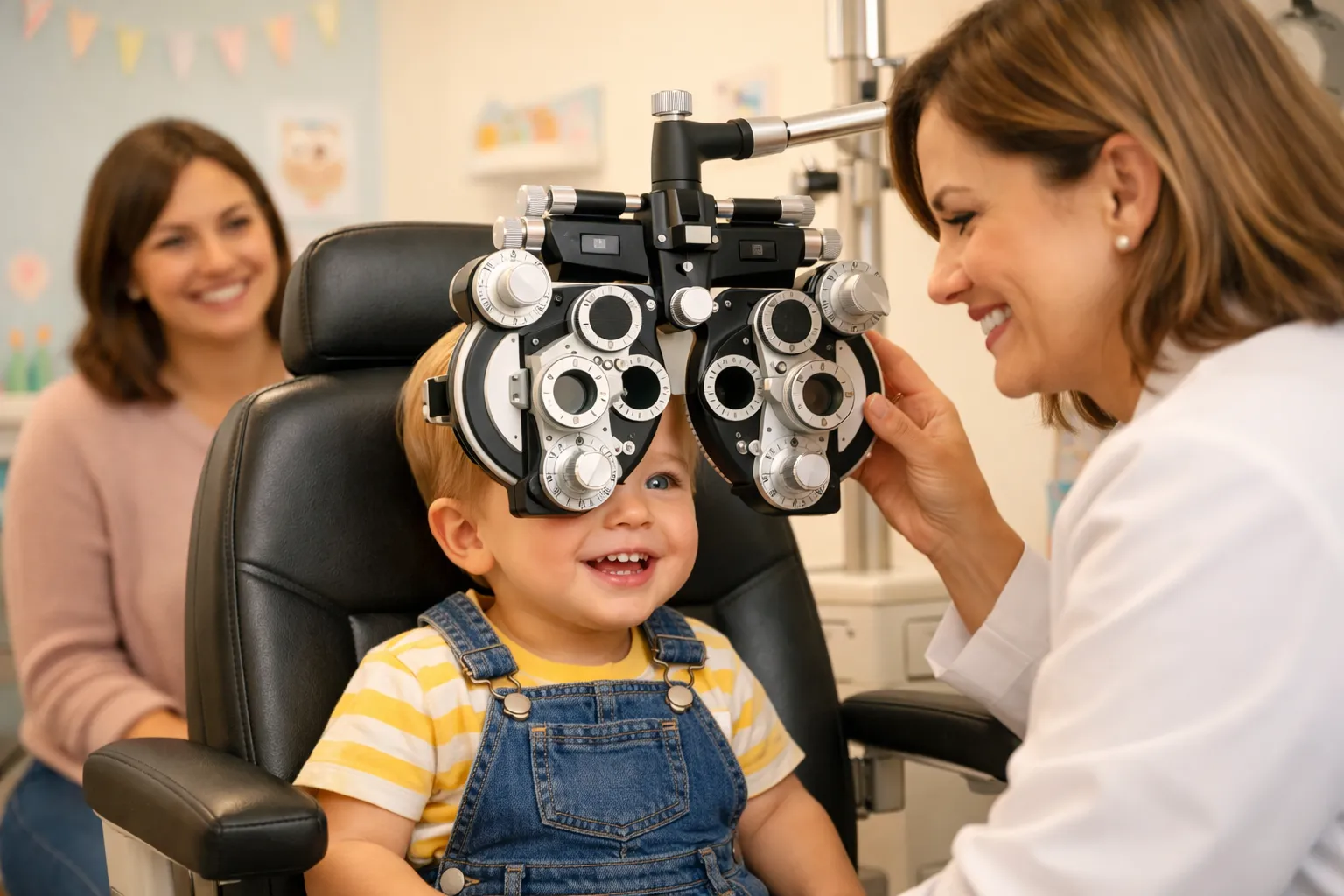
Why Your Child’s First Eye Exam Should Be at 6 Months
Because vision is not just about seeing — it is the foundation for how the brain develops, behaves, and learns.
Many parents are told to wait until their child is 3, 4, or even 5 years old for a first eye exam. By then, the brain has already passed through some of its most critical windows for visual and neurological development.
When something in the visual system is inefficient or misaligned early on, the brain quietly adapts. It compensates. It works harder. It finds workarounds.
This rarely shows up as a child saying, “I can’t see clearly.” Instead, it shows up later as learning struggles, attention challenges, emotional regulation difficulties, fatigue, or behaviors that don’t quite make sense.
Early does not mean overreacting. Early means giving the brain the right input at the right time — before compensations become patterns.
You Trust Your Instincts.
Something Feels Off.
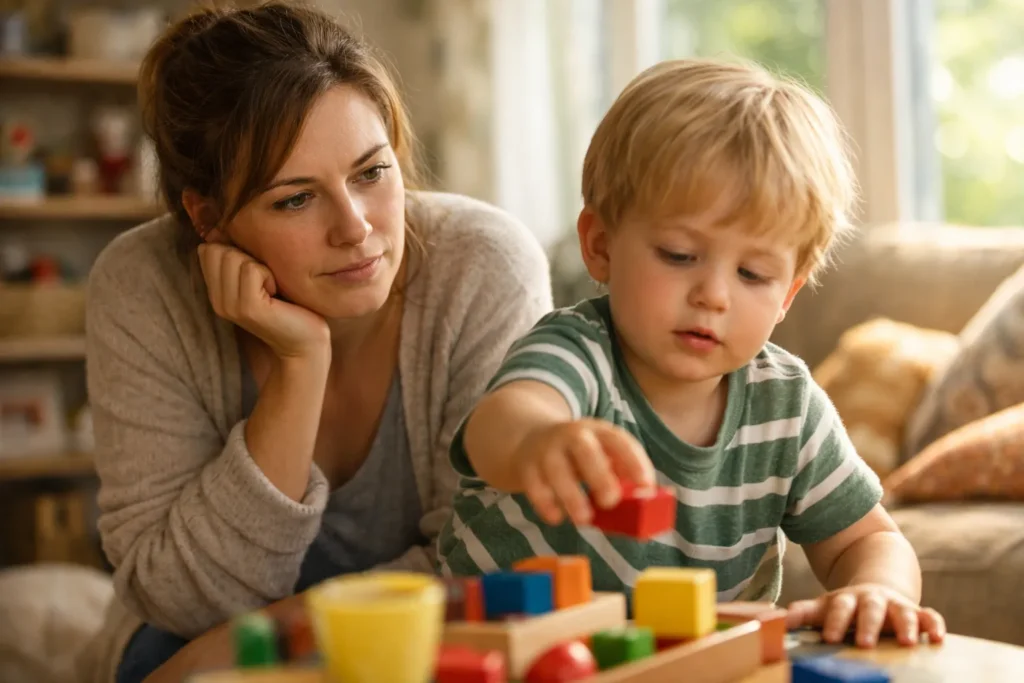
As a parent, you have a sixth sense. You notice the little things. Maybe your child isn’t tracking objects like you expected, seems clumsy, or gets frustrated easily with visual tasks. Or maybe you simply want to be proactive and give them the best possible start in life.
You’re not alone, and you’re right to trust your instincts. Many parents share these concerns:
- “Is my baby hitting their visual milestones?”
- “What if we’re missing something a regular check-up won’t catch?”
- “I want to do everything I can to support their development.”
These are not just worries; they are important questions about the very foundation of your child’s ability to learn and grow.
The Critical Window:
6–12 Months of Age
Research from the Harvard Center on the Developing Child explains that early brain architecture is built through sensory experiences, and that these early systems become the foundation for all higher-level skills. 1
Between 6 and 12 months of age, the visual system is undergoing rapid and essential development, including:
Eye alignment and coordination
The ability for both eyes to work together as a team
Equal clarity development in each eye
Equal clarity development in each eye
Identification of refractive differences between the eyes
Early signs of myopia, which is now developing at younger ages
This window matters because vision is a prerequisite system. When visual input is clear, aligned, and efficient, the brain is better able to build:
Language and communication skills
Cognitive processing and memory
Spatial awareness and motor planning
Visual processing abilities needed for reading, attention, and learning in the school years
When visual development is disrupted during this period,
the brain often builds on an unstable foundation — compensating rather than thriving.
When Children Can’t Tell You Something
Is Wrong
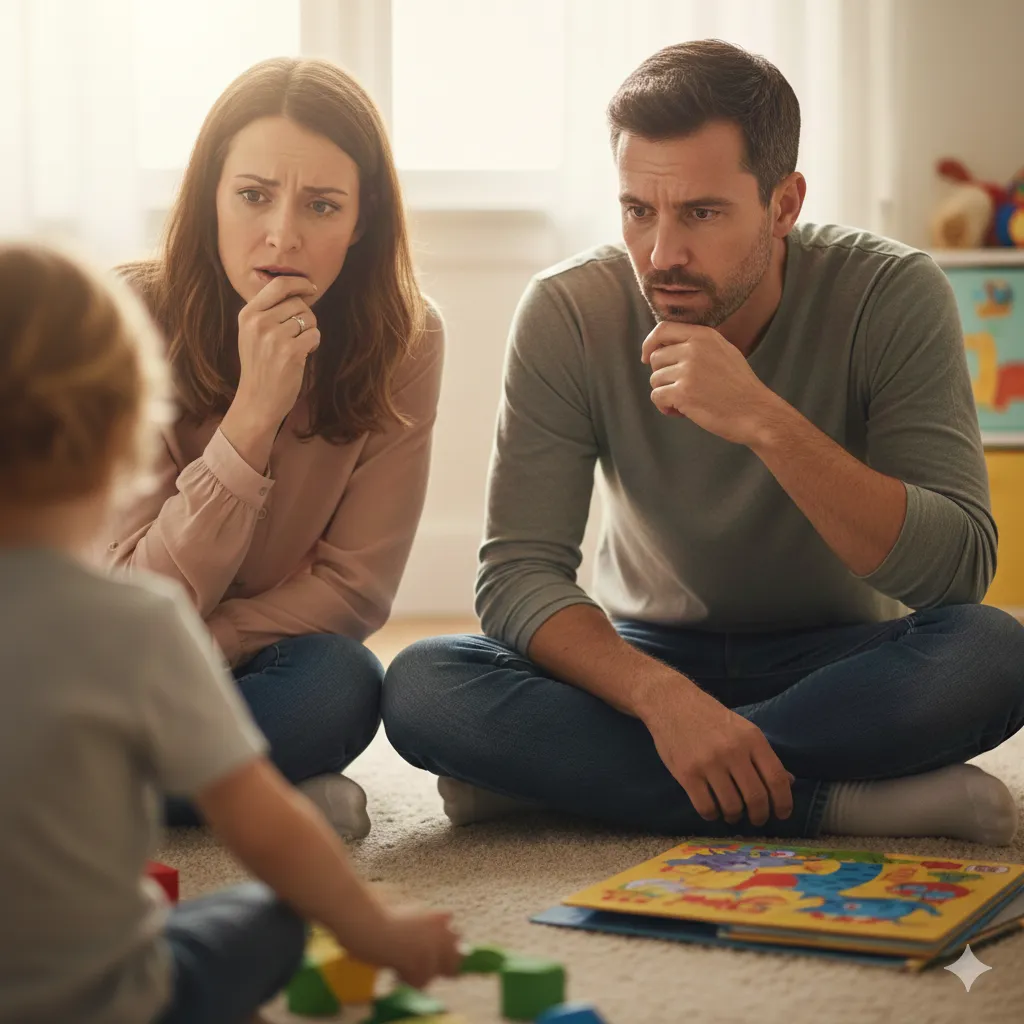
Infants and young children don’t yet have the language to say, “Something doesn’t feel right with my vision.”
Instead, their nervous system communicates through behavior, movement, emotion, and sensory responses.
When visual development is inefficient or immature, the brain must work harder to interpret the world. That extra effort often shows up not as visual complaints, but as patterns parents notice every day.
Common behavioral, sensory, and developmental signs that may point to underlying visual or brain–vision stress include:
Sensory overload or easy overwhelm in busy environments
Poor impulse control or difficulty self-regulating
Moodiness, irritability, or frequent emotional meltdowns
Car sickness or motion sensitivity
Fear of movement, swings, or climbing
Clumsiness, frequent falls, or poor balance
Difficulty with transitions between activities
Preference for repetitive or solitary play
Parents often sense that something is “off,”
even when traditional screenings say everything looks normal.
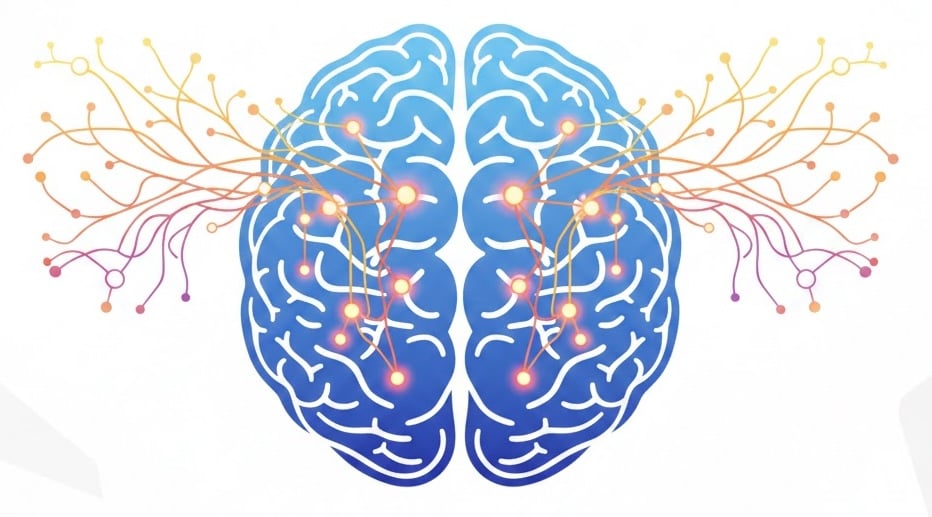
Vision, Development & Behavior Are Deeply Connected
Vision is not just about eyesight. It is how the brain organizes space, movement, timing, and meaning.
When visual processing is inefficient, the brain may divert energy away from other developing systems, including:
- Speech and language development
- Balance and coordination
- Emotional regulation
- Attention and impulse control
This can look like:
- Delayed or limited speech
- Difficulty following visual cues or gestures
- Challenges with balance, crawling, or walking milestones
- Reduced eye contact or shared visual attention
- Difficulty with imitation and social engagement
These are not character flaws. They are not parenting failures. They are often signs of a developing brain working overtime to compensate.
The earlier these patterns are identified, the easier it is for the brain to reorganize efficiently through neuroplasticity.
Why Vision Is Foundational to Learning
— Not Separate From It
Vision is the brain’s operating system. The majority of the information the brain takes in is visual.
If the visual system is inefficient, the brain must work harder to process information.
In infancy, this can be subtle. Later, it may look like:
- Reading that never quite “clicks”
- Short attention span or visual fatigue
- Avoidance of near work
- Difficulty tracking words or sustaining focus
By supporting visual development early, we support how the brain learns to learn.
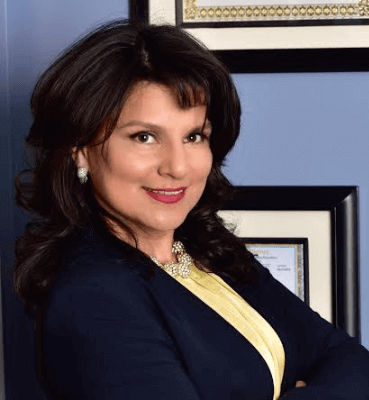
Why a Pediatric Optometrist Like
Dr. Ingryd Lorenzana Matters
Just like how your child requires a pediatrician who monitors their development, they too require a visual specialist such as pediatric optometrist who will also monitor their visual development to drive your child’s brain and overall development because not all eye exams evaluate the same aspects of vision.
- Pediatricians perform important vision screenings that look for gross visual concerns and overall health indicators.
- Pediatric ophthalmologists focus on the medical and structural health of the eyes and are essential for diagnosing and managing eye disease or surgical conditions.
- Pediatric optometrists are uniquely trained to evaluate the functional development of vision, how the eyes, brain, and body work together for their overall brain and development.
This includes:
- Eye teaming and coordination
- Visual tracking and focusing
- Early visual processing development
- Subtle imbalances that do not appear on standard screenings
The best care is not either/or. Children benefit from both pediatric ophthalmology and pediatric optometry, each addressing a different — but equally important — part of visual health.
At Brain Vision Institute, our pediatric evaluations focus on how vision is developing as a brain-based system, not just whether the eyes appear healthy.
A New Reality: Myopia Is Developing Earlier Than Ever
More children are developing nearsightedness at younger ages.
Early visual evaluations allow us to:
- Identify early risk factors
- Support healthy visual development
- Guide parents on habits that protect long-term eye and brain health
Waiting until school age often means missing the opportunity to influence development during the most adaptable phase of the brain.
Transformation Parents Are Really Seeking
Parents don’t come to us because they think something is “wrong.”
They come because they want:
- Confidence that their child’s development is on track
- Peace of mind that nothing important is missed
- A strong foundation for learning, attention, and emotional regulation
Early vision care is not about labels. It is about possibility.
Next Step
If your child is approaching 6 months of age — or if you’re unsure whether their visual development has ever been fully evaluated — the first step is a comprehensive Brain–Vision Evaluation designed specifically for infants and young children.
“Research from the Harvard Center on the Developing Child confirms that early brain architecture is built through sensory experiences—and vision is the dominant sensory pathway.” 1
From birth to age 5, your child’s brain develops faster than at any other time in their life. Vision is the primary driver of this growth. It’s not just about seeing clearly; it’s about how the brain learns to process what the eyes see. This is the foundation for:
- Motor Skills & Coordination: Learning to crawl, walk, and grasp objects.
- Cognitive Development: Understanding cause and effect, recognizing faces, and developing memory.
- Social-Emotional Skills: Making eye contact, reading facial expressions, and feeling secure in their environment.
A school vision screening is not enough. These screenings typically only check for distance vision (20/20) and can miss over 60% of vision problems in children.2
A comprehensive brain-visual evaluation is the only way to ensure your child’s entire visual system is working efficiently.

How BVI Helps
The CogniViiSION® Approach
Our Comprehensive Brain-Visual Evaluation for Children
Our evaluation is different. It’s not just a standard eye exam. It’s a deep dive into your child’s entire brain-vision system, designed to assess the 17 visual skills needed for optimal development. We use the CogniViiSION® framework to look at the whole child.
What We Assess:
- Eye Teaming & Tracking: Are the eyes working together smoothly?
- Focusing Skills: Can the eyes easily shift focus from near to far?
- Visual Processing: How does the brain make sense of what the eyes see?
- Eye-Hand Coordination: Is the visual system guiding movement accurately?
- Structural Health: Is the eye healthy and developing properly?
We use gentle, age-appropriate techniques and advanced technology to make the experience comfortable and even fun for your child. You’ll leave with a clear understanding of your child’s visual development and a roadmap for supporting their growth.
What to Expect: The Process
A Clear and Reassuring Process
Your Personal History:
1
We start by listening. You’ll meet with our Outcome Manager to share your observations, concerns, and goals for your child. This is a comprehensive intake covering all aspects of your child’s development.
The Brain-Visual Evaluation:
2
Dr. Lorenzana will conduct a gentle, in-depth assessment of your child’s visual skills using age-appropriate tests and advanced technology. We make it a positive and engaging experience.
Your Personalized Plan:
3
You’ll receive a detailed report explaining our findings in clear, easy-to-understand language. We’ll discuss the results with you and create a personalized plan to support your child’s development, whether it’s monitoring, therapeutic lenses, or in-office therapy.
Success Stories


Frequently Asked Questions
Why do I need a pediatric optometrist? Can't I just go to my regular eye doctor?
This is a critical question. A standard optometrist performs a vital role in checking for eye health and prescribing glasses. However, they often don’t have the specialized training or equipment to perform a comprehensive developmental vision evaluation. They test for visual acuity (20/20 vision), but not the 17+ functional visual skills your child needs for learning and development. A pediatric optometrist like Dr. Lorenzana has years of additional, specialized training to assess how your child’s eyes and brain work together as a system. This is why so many parents leave a standard eye exam with a frustrating “everything is fine” diagnosis, even when they know their child is struggling. We find the answers they miss.
At what age should my child have their first comprehensive eye exam?
The American Optometric Association (AOA) recommends the first comprehensive eye exam at 6 months of age. This allows us to identify any potential issues early and ensure the visual system is developing correctly. We then recommend follow-up exams at age 3 and before starting school.
What’s the difference between this and the vision screening at my pediatrician’s office?
A vision screening is a brief test that typically only checks for distance vision. Our comprehensive brain-visual evaluation is a deep dive into the entire visual system. We assess 17 different visual skills, including eye teaming, tracking, focusing, and visual processing—skills that are essential for learning and development and are not tested in a standard screening.
Is the evaluation scary for my child?
Not at all! We’ve designed our evaluation to be a positive and engaging experience. We use age-appropriate games, toys, and gentle techniques to assess your child’s vision. Our team is highly experienced in working with children, and our primary goal is to make them feel comfortable and safe.
What if you find a problem?
If we identify an area that needs support, we will explain our findings to you in detail and create a personalized plan. This could range from simple monitoring to therapeutic glasses or a program of in-office vision therapy. Our goal is always to provide the least invasive, most effective solution to support your child’s development.
Give Your Child the Strongest Possible Start
Proactively supporting your child’s visual development is one of the greatest gifts you can give them.
Schedule their comprehensive brain-visual evaluation today and get the peace of mind that comes from knowing you’re building a strong foundation for their future.