
Sports Performance & Recovery for Teens
Your Teen Athlete is Talented and Hardworking.
But the Competition is Fierce.
What If They Could Gain an Edge That Others Don’t Even Know Exists?
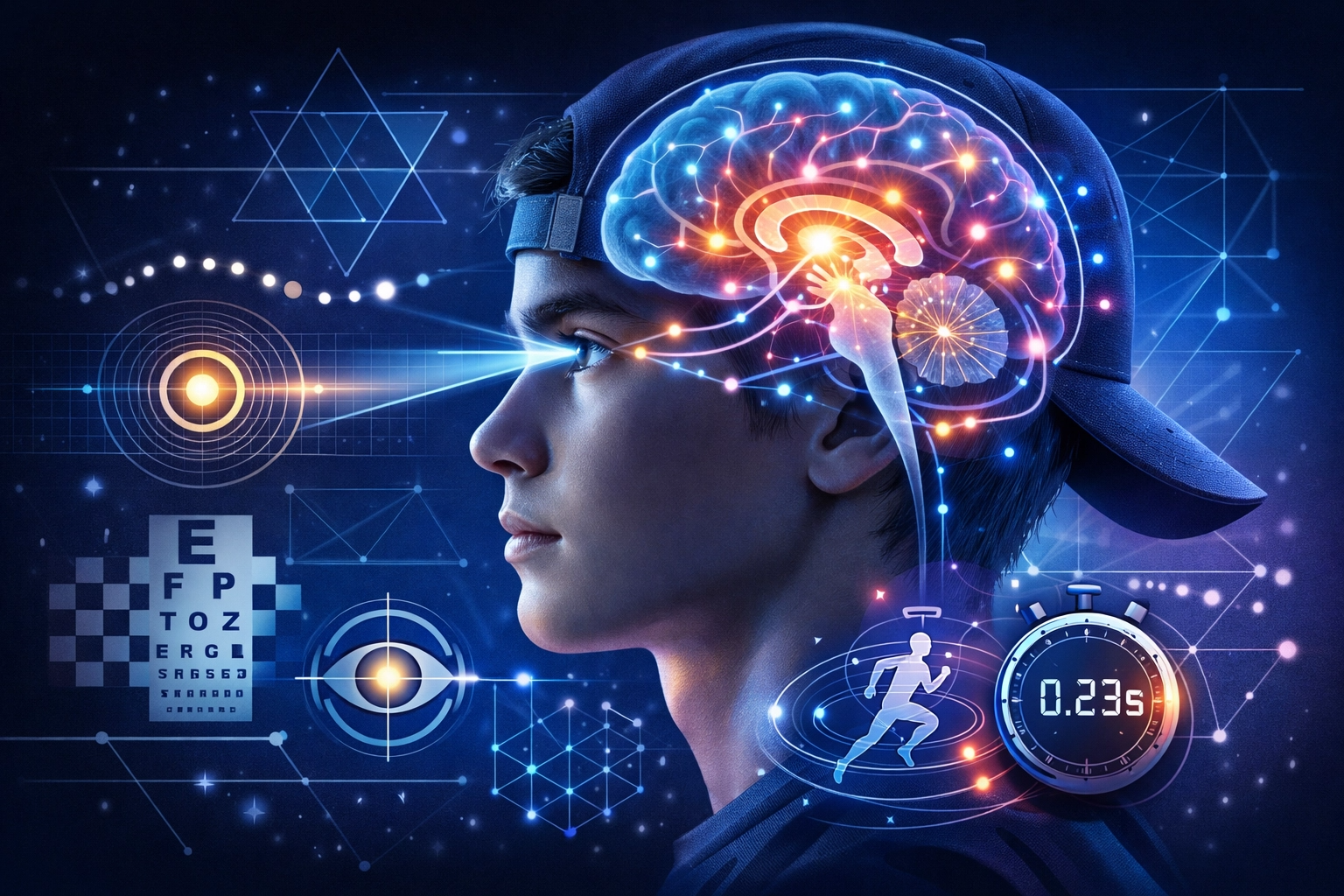
In competitive sports, the difference between good and great is measured in milliseconds. While everyone else is focused on strength and speed, elite athletes are training their most powerful asset: their vision. Sports vision training is the secret weapon that enhances reaction time, improves accuracy, and builds the unshakeable confidence your teen needs to dominate the competition.
Athletes in Vision Training have
reduction in concussions.
What if the Best Way to Improve Performance Was Also the Best Way to Prevent Injury?
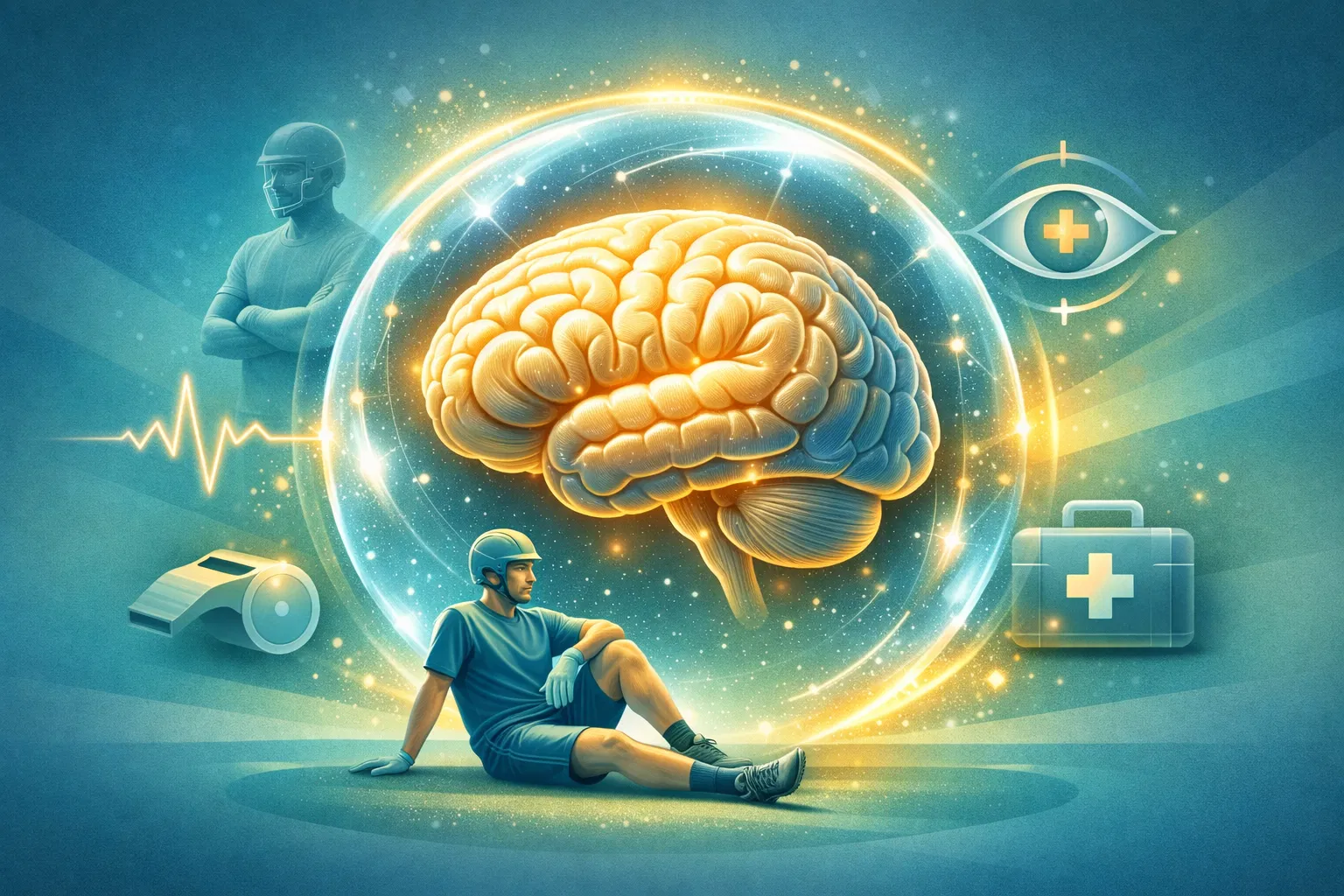
Every parent of a teen athlete worries about concussions. You know that one bad hit can derail a season, a scholarship, or even a future. While helmets are essential, they are not enough. The real first line of defense is a brain that can see and react to danger before it happens.
Groundbreaking Research
A study from the University of Cincinnati on their NCAA Division I football team proved that vision training is a powerful tool for concussion prevention. The study found that after implementing a comprehensive vision training program, the team experienced an 85% reduction in concussions. Players with trained visual systems were better able to anticipate and avoid dangerous collisions.
This isn’t just about playing better. It’s about playing smarter and safer. Vision training is a proactive investment in your teen’s long-term brain health.
Which of These Game-Changing Visual Skills Could Your Teen Improve?
Our Sports Vision Training program is designed to assess and enhance the specific visual skills that matter most on the field, court, or ice.
Why It Matters: Tracking a pitch, spotting a moving teammate, or returning a 100-mph tennis serve. Without it, the world is a blur during high-speed play.
Why It Matters: Hitting a baseball, catching a football, or blocking a shot. It’s the foundation of all athletic execution.
Why It Matters: A faster reaction time means the difference between a strikeout and a base hit, a goal and a save. Studies show vision training can significantly improve reaction time.
Why It Matters: Knowing exactly where the ball will be, when to swing, when to jump, and how to navigate a crowded field. Poor depth perception leads to errors in timing.
Why It Matters: Spotting an open teammate, seeing a defender approaching, and maintaining full awareness of the game. As the UC concussion study proved, it’s also critical for injury prevention.
Different Sports Have Different Visual Demands.
We Train for What Matters.
We don’t use a one-size-fits-all approach. We tailor our training protocols to the specific visual demands of your teen’s sport.
Focus Areas:
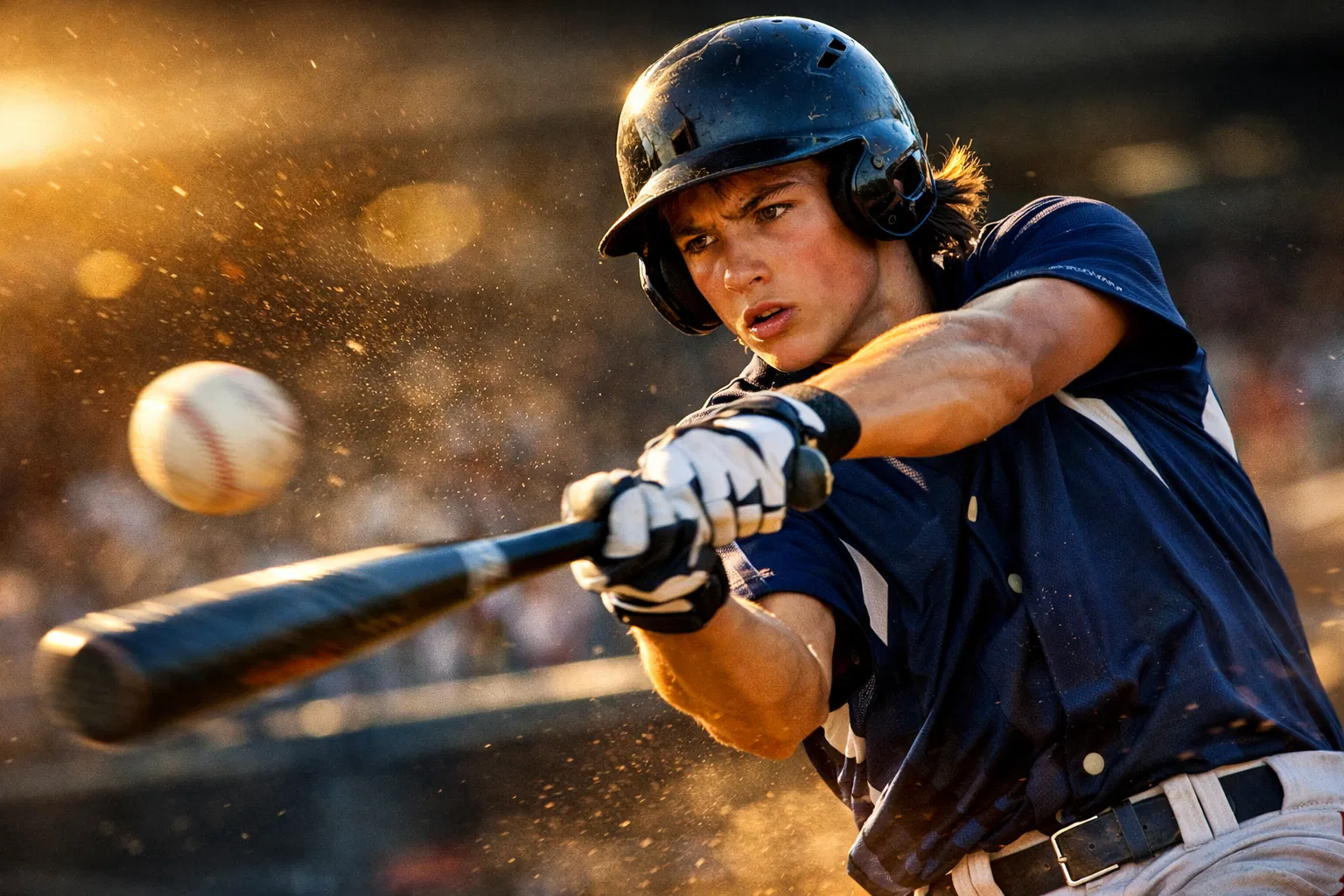
Dynamic visual acuity, tracking, and eye-hand coordination.
The Goal:
To make the ball appear “bigger and slower,” improve pitch recognition, and increase batting average.
Focus Areas:
Peripheral awareness, visual processing speed, and depth perception.
The Goal:
To see the whole field/court, anticipate plays, make smarter passes, and react faster to opponents.
Focus Areas:
Reaction time, depth perception, and accommodative flexibility (shifting focus quickly).
The Goal:
To improve serve returns, react quicker at the net, and have more accurate shot placement.
Depth perception, visualization, and focus/concentration.
The Goal:
To better read greens, improve distance judgment, and maintain focus over the ball.
Our 3-Step Process for Building an Elite Visual System
The Sports Vision Performance Evaluation
1
This is the ultimate deep dive into your teen’s athletic vision. Using state-of-the-art technology, we benchmark their performance across all key visual skills and compare it to elite athletes in their sport. You’ll see exactly where they excel and where the opportunities for improvement lie.
A Personalized Peak Performance Plan
2
Based on the evaluation, we design a custom training program. This isn’t just a set of exercises; it’s a strategic plan to turn their visual weaknesses into strengths and their strengths into dominant weapons.
Intensive Vision Training
3
Through a series of one-on-one sessions, your teen will work with our vision therapists to push their visual limits. Using advanced tools like light boards, virtual reality, and sensorimotor exercises, we will systematically enhance their visual processing speed, accuracy, and endurance.
From Talented to Dominant:
How Sports Vision Training Unleashed Their Potential
Frequently Asked Questions
Q1: Is this only for elite or professional athletes?
A1: Not at all. While elite athletes use sports vision training to get an edge, it’s incredibly effective for any teen athlete who is serious about improving their game. It can help a player make the varsity team, earn a starting position, or attract the attention of college scouts.
Q2: How quickly will we see results?
A2: Many athletes notice improvements in their visual awareness and reaction time within the first few sessions. Significant, on-field performance improvements typically become evident over the course of a 10-12 week program as the new visual skills become automatic.
Q3: My teen already has a coach and a strength trainer. Is this really necessary?
A3: Strength and skills coaches are essential. But they train the body and the technique. We train the system that controls the body and technique: the brain-eye connection. It’s the missing piece of the puzzle in most athletic training regimens.
Q4: Can't my teen just practice more?
A4: Practice is crucial, but if a hidden visual weakness is holding them back, they will eventually hit a performance plateau. They might be practicing with an inefficient visual system. We fix the system itself, which makes all their other practice more effective.
References
- Clark, J. F., et al. (2015). An exploratory study of the potential effects of vision training on concussion incidence in football. Optometry & Visual Performance.
- American Optometric Association. (n.d.). Sports & Performance Vision. aoa.org
- Laby, D. M., et al. (2011). The visual function of professional baseball players. American Journal of Ophthalmology.
- Appelbaum, L. G., & Erickson, G. (2018). Sports vision training: A review of the state-of-the-art. Eye & Contact Lens.
The Competition Isn't Training Their Eyes. Your Teen Can.
In a world where every athlete is looking for an edge, sports vision training offers a powerful, proven, and often-overlooked advantage. Give your teen the tools to see the game differently, react faster, and perform with a new level of confidence.