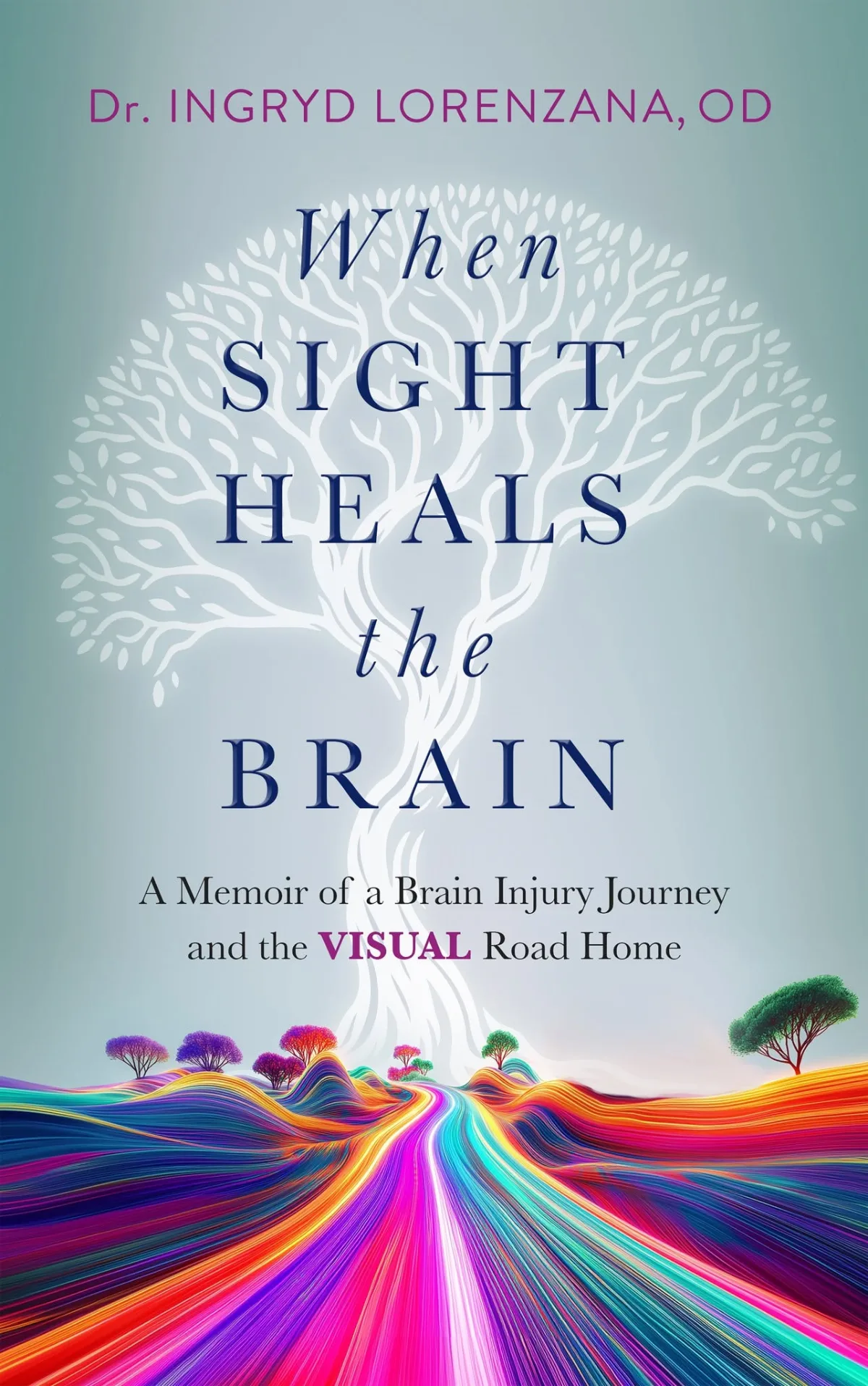
Post-Concussion Recovery for Children
Why That Fall 2 Years Ago Could Be Causing Today's Struggles
Your child’s learning challenges, behavior issues, or focus problems might not be what you think. What if the root cause is a fall that happened months—or even years—ago?


You Were Told They Were Fine. But What If They Weren't?
As a parent, you know your child best. You see the daily struggles—the frustration with homework, the meltdowns, the challenges with focus. But what if the root cause isn’t a learning disability or a behavioral issue? What if it’s the result of a fall that happened months, or even years, ago?
This is the hidden reality for millions of children.
The Parent Awareness Gap: A Common Story
- 1
A child falls
Falls are the #1 cause of ER visits for children under 4. [1]
- 2
Parents do the right thing
They take their child to the ER.
- 3
The child is sent home
93% of children with fall-related TBI are sent home from the ER, often with instructions to 'watch for symptoms.' [1]
- 4
The child seems fine
For months, or even years, there are no obvious problems.
- 5
Struggles emerge later
When school demands increase, cognitive deficits that were hidden suddenly become apparent.
- 6
Parents don't connect the dots
The fall is a distant memory. The current struggles are misdiagnosed as ADHD, learning disabilities, or behavioral issues.
This is how untreated TBI becomes the leading cause of death and disability in children and teens 19 and under. [2]
The Science: Delayed Symptoms & the Developing Brain
Research from the National Institutes of Health (NIH) shows that even “mild” brain injuries in children under 2 can cause persisting cognitive deficits that don’t show up until years later. [3]
“Because a complete neurodevelopmental evaluation is not a routine part of care after early TBI, delays in cognition may not be identified unless formal comprehensive testing is performed.” [3]
What this means for you:
At the Brain Vision Institute, we bridge this gap. We understand the long-term impact of early brain injuries, and we have the tools to identify and treat the root cause of your child’s struggles.
![37% of children with "mild" concussions have hidden cognitive deficits. [3]](data:image/svg+xml;base64,PHN2ZyB4bWxucz0iaHR0cDovL3d3dy53My5vcmcvMjAwMC9zdmciIHdpZHRoPSIxNDAiIGhlaWdodD0iMTQwIiB2aWV3Qm94PSIwIDAgMTQwIDE0MCI+PHJlY3Qgd2lkdGg9IjEwMCUiIGhlaWdodD0iMTAwJSIgc3R5bGU9ImZpbGw6I2NmZDRkYjtmaWxsLW9wYWNpdHk6IDAuMTsiLz48L3N2Zz4=)
37% of children with "mild" concussions have hidden cognitive deficits. [3]
Children can appear to be functioning normally, but formal testing reveals significant problems. [3]
Your child's struggles are real. They are not a lack of effort or a behavioral problem.
![37% of children with "mild" concussions have hidden cognitive deficits. [3]](/wp-content/uploads/2026/04/37-of-children-with-mild-concussions-have-hidden-cognitive-deficits.-Deliberate_v2-pixel-art_775170-150x150.webp)
![Children can appear to be functioning normally, but formal testing reveals significant problems. [3]](/wp-content/uploads/2026/04/Your-childs-struggles-are-real.-They-are-not-a-lack-of-effort-or-a-behavioral-problem.-Deliberate_190782-150x150.webp)
You Were Told They'd Be Fine in a Few Weeks. So Why Are They Still Struggling?
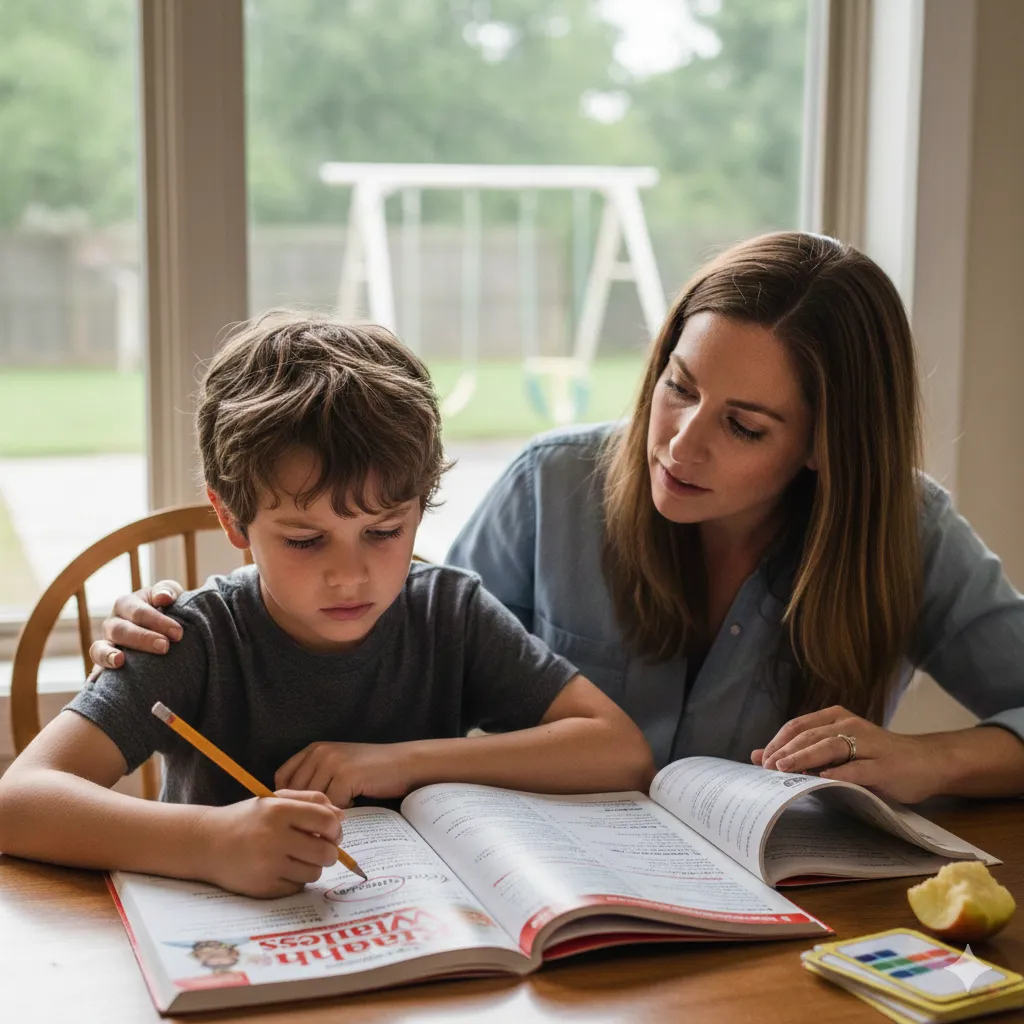
You followed the doctor’s orders. You made them rest. But something is still not right. Maybe you’re noticing:
You followed the doctor’s orders. You made them rest.
But something is still not right. Maybe you’re noticing:
Changes in Behavior
They’re more irritable, anxious, or easily overwhelmed.
Struggles in School
They can’t focus, homework takes forever, and grades are slipping.
Physical Complaints
Headaches that won’t go away, dizziness, or sensitivity to light and noise.
Loss of Confidence
They’re hesitant on the playground or avoiding sports they once loved.
You’re not imagining it. These are the real, lingering effects of a concussion. And you’re right to be concerned.
A Child's Brain is Not a Small Adult Brain
A child’s brain is in a constant state of development. A concussion doesn’t just disrupt current function—
it can alter the very trajectory of their development. That’s why a “wait and see” approach is so risky.
Key Differences in Children:
Symptom Presentation
Children often can’t articulate what they’re feeling. Instead of saying ‘I have brain fog,’ they might say ‘my brain feels fuzzy’ or simply act out in frustration.
Longer Recovery
While they may seem to bounce back quickly, the underlying neural disruption can take longer to resolve.
Impact on Learning
A concussion can create a cascade of challenges in school, from difficulty reading to problems with attention and memory.
We Don’t Just Heal. We Rebuild.
Most concussion care focuses on rehabilitation—trying to restore what was lost. But neural pathways damaged by trauma often cannot be repaired.
At BVI, we focus on habilitation. We use the visual system—the brain’s primary information pathway—to build new neural pathways that compensate for the damaged ones. It’s like creating a detour around a collapsed bridge. This is why our approach works when others have failed.
Your Child's Path to Recovery
A child’s brain is in a constant state of development. A concussion doesn’t just disrupt current function—it can alter the very trajectory of their development. That’s why a “wait and see” approach is so risky.
Comprehensive Brain-Visual Evaluation
1
We go beyond a standard eye exam. Our advanced diagnostics map the connection between your child’s eyes and brain, identifying the specific areas of dysfunction caused by the concussion. For the first time, you’ll see a clear picture of why your child is struggling.
Personalized Habilitation Plan
2
Based on the evaluation, we create a customized program using the 6 Pillars of CogniViiSION®. This may include targeted vision therapy, photobiomodulation to calm the nervous system, and nutritional support to fuel brain healing.
Rebuilding Skills & Confidence
3
Through a series of one-on-one therapy sessions, we guide your child as they build new neural pathways. We work on everything from eye tracking for reading to visual processing for coordination, helping them regain their skills and their confidence.
A Message from
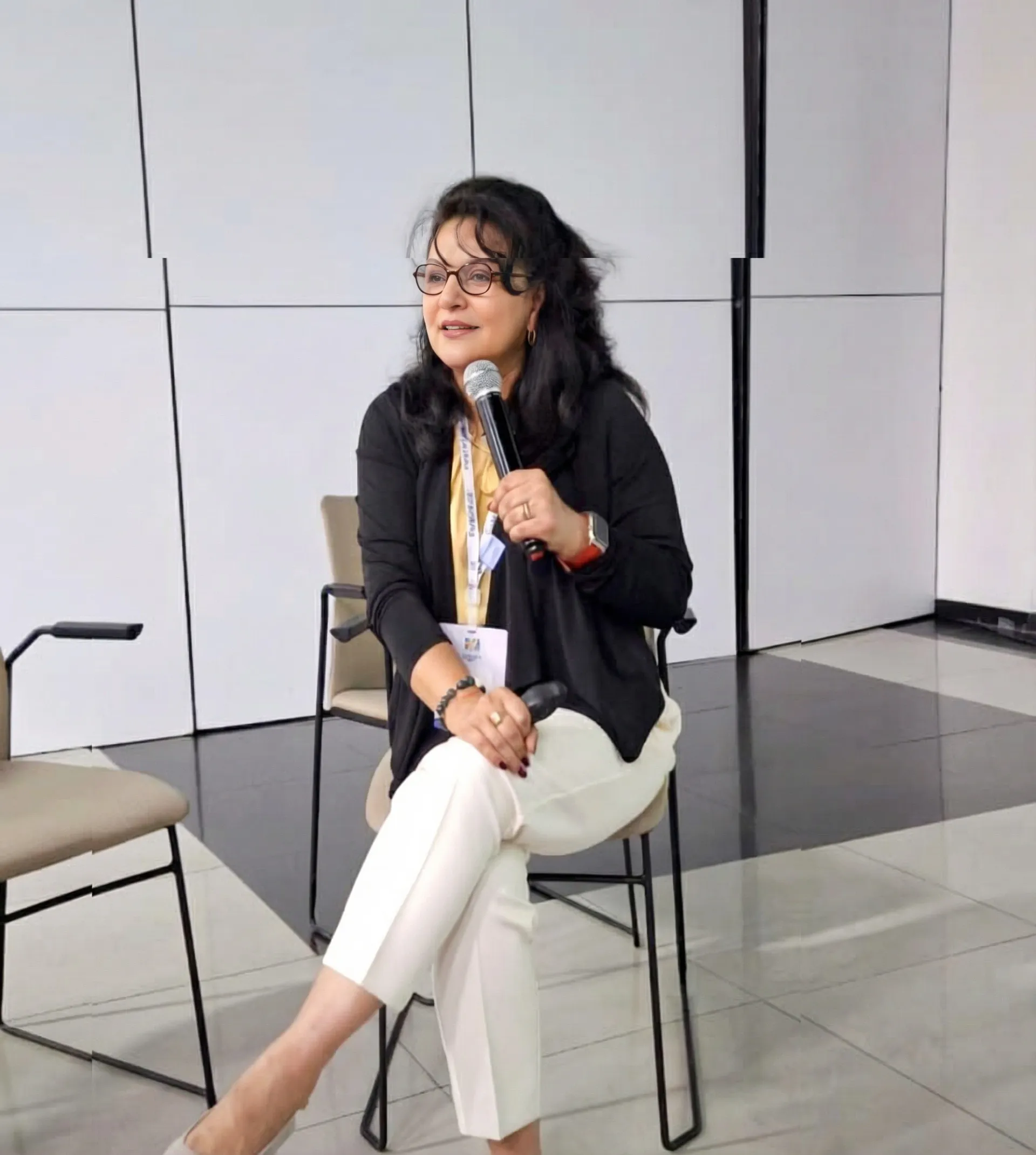
Dr. Ingryd Lorenzana
“I know the frustration and fear that comes with a brain injury because I’ve lived it. As a child, I suffered a brain injury that had lifelong consequences. My personal healing journey is what birthed CogniViiSION® and the Brain Vision Institute. I created this practice to be the place I wish my parents had found for me—a place that offers all the components of recovery, a place that believes you, and a place that gives you hope.
Your child’s recovery is personal to me. We will walk this journey with you, every step of the way.”
Dr. Ingryd Lorenzana, Founder, Brain Vision Institute
ImPACT Certified Concussion Consultant,
Certified Brain Health Provider (Amen Clinics)
Frequently Asked Questions
Your Questions, Answered
My child's MRI was normal. How can they still have symptoms?
This is incredibly common. A recent JAMA study found that vision-based testing is often more sensitive than MRIs at detecting the subtle neural disruptions caused by a concussion [4]. An MRI shows structural damage, but we measure functional disruption—how the brain is actually working.
How soon after a concussion can my child start therapy?
We can begin our comprehensive evaluation as soon as your child is medically stable. Early intervention is key to preventing long-term problems.
What if my child seems fine?
Why a pediatric optometrist?
A standard eye exam only tests for 20/20 vision. Dr. Lorenzana has years of specialized training in pediatric neuro-optometry, allowing her to evaluate the 17+ functional visual skills needed for learning and development. This is why we can find problems that others miss.
References
Haarbauer-Krupa, J., et al. (2019). Fall-related traumatic brain injury in children ages 0–4 years. Journal of Safety Research, 70, 133-137.
Centers for Disease Control and Prevention. (2023).Report to Congress on The Management of Traumatic Brain Injury in Children.
Keenan, H. T., et al. (2007). Neurodevelopmental consequences of early traumatic brain injury. Pediatrics, 119(3), e616-e623.
Master, C. L., et al. (2021). Vision and Vestibular System Dysfunction in Pediatric Concussion.JAMA Ophthalmology, 139(7), 756–764.
Halstead, M. E., et al. (2018). Sport-Related Concussion in Children and Adolescents.Pediatrics, 142(6), e20183074.
Don't Wait and See. Take the First Step Today.
Your child’s future is too important to leave to chance. Schedule a consultation to discuss your child’s specific situation and learn how we can help.