
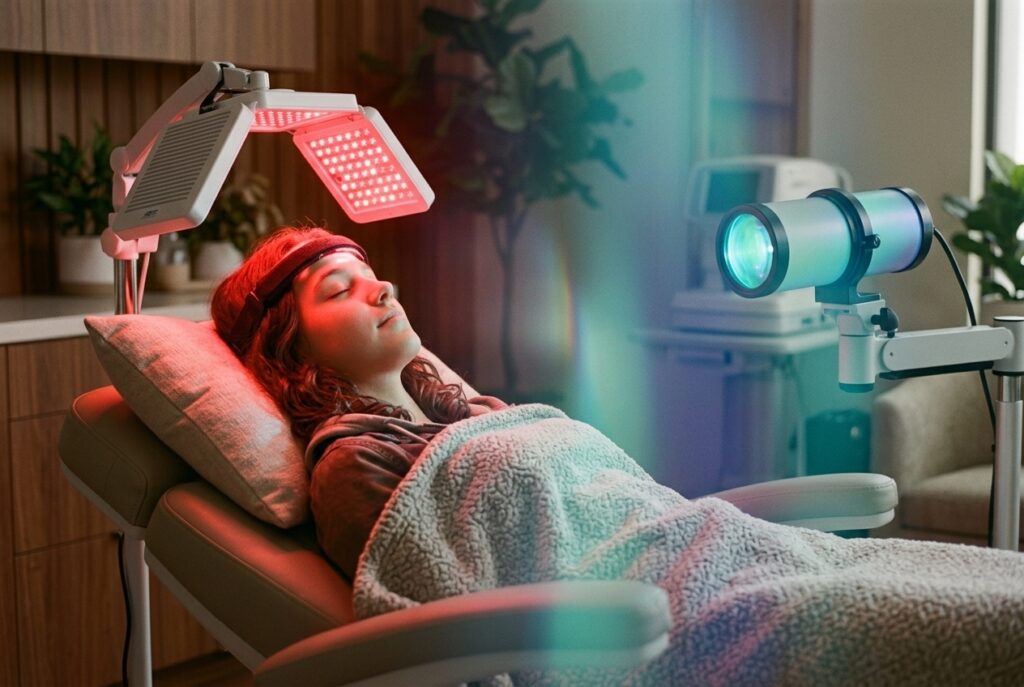
Light-Based Healing for Teens
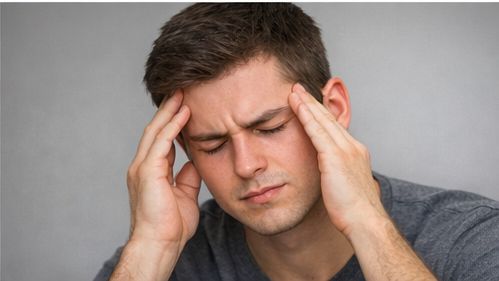
Your Teen is Hurting, Stressed, or Struggling to Focus. What If You Could Heal Their Brain and Body at a Cellular Level, Without Drugs or Side Effects?
So Why Are They Still Not Themselves?
Welcome to the future of healing. Photobiomodulation and Syntonic Light Therapy are two of the most advanced, non-invasive therapies in modern medicine. They use specific wavelengths of light to reduce inflammation, recharge cellular energy, and rebalance the body’s master control system. For teens dealing with everything from concussions and eye strain to stress and sleep issues, this is a safe, powerful, and drug-free path to recovery and peak performance.
been used by
optometrists
Think of It as a Cellular Recharging Station for Your Teen's Brain and Eyes.
Every cell in the body has tiny engines called mitochondria that produce energy. After an injury (like a concussion) or under chronic stress (like digital eye strain), these engines become damaged and can’t produce enough energy for the cells to heal and function properly.
Photobiomodulation (PBM), also known as red light therapy, uses specific wavelengths of red and near-infrared light to penetrate deep into the tissue. This light is absorbed by the mitochondria, stimulating them to:
- Boost Energy Production: It’s like jump-starting a weak battery, giving cells the energy they need to repair themselves.
- Reduce Inflammation: It helps to calm the inflammatory processes that cause pain and slow down healing.
- Improve Blood Flow: It increases circulation, bringing more oxygen and nutrients to the damaged tissues.
In simple terms: PBM gives the body’s cells the energy they need to heal themselves. It is a safe, painless, and FDA-approved therapy with a wealth of scientific backing.
"Photobiomodulation gives damaged cells the energy they need to repair themselves. It's one of the most promising, non-invasive tools we have for helping the brain heal after injury."
-- Brain Vision Institute
Balancing the Body's 'Autopilot' System
Through the Eyes.
The autonomic nervous system is the body’s “autopilot.” It controls all the things we don’t think about: heart rate, digestion, sleep cycles, and our stress response (the “fight or flight” vs. “rest and digest” systems). The eyes have a direct, powerful connection to this control center in the brain.
Syntonic Light Therapy uses specific, filtered colors of visible light, viewed through the eyes, to gently rebalance the autonomic nervous system.
- If a teen is stuck in “fight or flight” mode (stressed, anxious, unable to sleep), certain colors can help shift them back into the calming “rest and digest” state.
- If a teen is fatigued and has low energy, other colors can be used to gently stimulate the system.
Syntonics is one of the oldest and most well-established forms of light therapy in optometry. It works by using the eye-brain connection to restore harmony to the body’s master control system.
Targeted, Drug-Free Solutions for Common Teen Struggles
1. For the Concussed Athlete
How it Helps:
PBM is a game-changer for post-concussion recovery. It reduces brain inflammation, helps repair damaged neurons, and can significantly speed up the healing process, reducing symptoms like headaches and brain fog.
2. For the Teen with Digital Eye Strain
How it Helps:
PBM can help recharge the fatigued focusing muscles in the eyes, while Syntonics can calm the overstimulated nervous system, reducing headaches and improving visual comfort.
3. For the Stressed, Anxious, or Sleepless Teen
How it Helps:
Syntonics is incredibly effective at calming a nervous system stuck in overdrive. It can help reduce feelings of anxiety and re-establish healthy sleep-wake cycles, which are often disrupted by stress and blue light from screens.
4. For the Teen with Visual Field Loss
How it Helps:
In some cases of vision loss from brain injury or other conditions, Syntonics has been shown to help improve and expand a patient’s functional visual field.
The BVI Advanced Therapy Program
We don’t believe in a one-size-fits-all approach. Our light therapy protocols are customized to your teen’s unique neurological and visual needs, following a clear, structured path from assessment to lasting results.
The Neuro-Visual & Autonomic Assessment
1
We begin with a comprehensive evaluation to understand your teen’s specific condition. This includes assessing their visual system, testing their autonomic nervous system function, and, if necessary, using advanced imaging to understand their needs.
A Custom Light Therapy Protocol
2
Based on the assessment, we will design a personalized protocol. This will specify the exact PBM wavelengths and dosages, or the precise Syntonics colors and viewing schedule, needed to achieve the desired therapeutic outcome.
In-Office Therapy & Progress Monitoring
3
Your teen will undergo a series of short, comfortable, and relaxing in-office therapy sessions. We will carefully monitor their progress and adjust the protocol as needed to ensure they are receiving the maximum benefit from the treatments.
Real Stories of Light-Based Healing
Frequently Asked Questions
Is this real science? It sounds a little 'out there.'
Absolutely. Photobiomodulation has thousands of peer-reviewed studies supporting its effectiveness and is used by elite athletes and in top medical clinics worldwide. Syntonics has been used by optometrists for over 70 years and is a well-established therapy for balancing the autonomic nervous system through the eyes.
Is it safe? Are there any side effects?
Both therapies are extremely safe and non-invasive. There are no known significant side effects. The treatments are gentle, painless, and most patients find them to be very relaxing.
How many sessions will my teen need?
This depends on the individual and the condition being treated. A typical protocol might involve 10-20 sessions. We will provide you with a clear treatment plan and timeline after the initial evaluation.
References
- Hamblin, M. R. (2017). Mechanisms and applications of the anti-inflammatory effects of photobiomodulation. AIMS Biophysics.
- College of Syntonic Optometry. (n.d.). What is Syntonics?. collegeofsyntonicoptometry.com
- Naeser, M. A., et al. (2014). Transcranial, Red/Near-Infrared Light-Emitting Diode Therapy to Improve Cognition in Chronic Traumatic Brain Injury. Photomedicine and Laser Surgery.
- Gottlieb, R., & Wallace, L. (2000). Syntonic Phototherapy. Journal of Behavioral Optometry.
Harness the Power of Light to Help Your Teen Heal, Recover, and Thrive.
Don’t let your teen continue to struggle with symptoms that aren’t responding to traditional approaches. Explore the power of light-based therapies to address the root cause of their issues and help them get back to feeling their best.