Sports Vision Training for Teens

Your Teen Athlete is Talented and Hardworking. But the Competition is Fierce. What If They Could Gain an Edge That Others Don't Even Know Exists?

In competitive sports, the difference between good and great is measured in milliseconds. While everyone else is focused on strength and speed, elite athletes are training their most powerful asset: their vision. Sports vision training is the secret weapon that enhances reaction time, improves accuracy, and builds the unshakeable confidence your teen needs to dominate the competition.

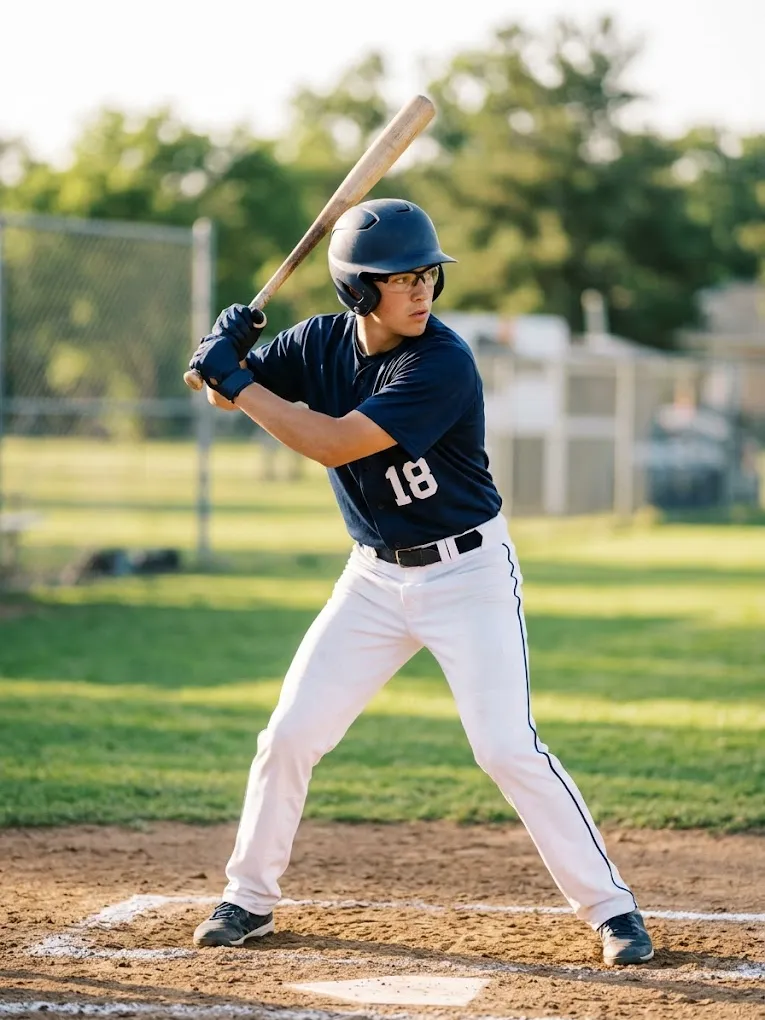
Teenage baseball player in a batting stance, eyes focused on an incoming pitch
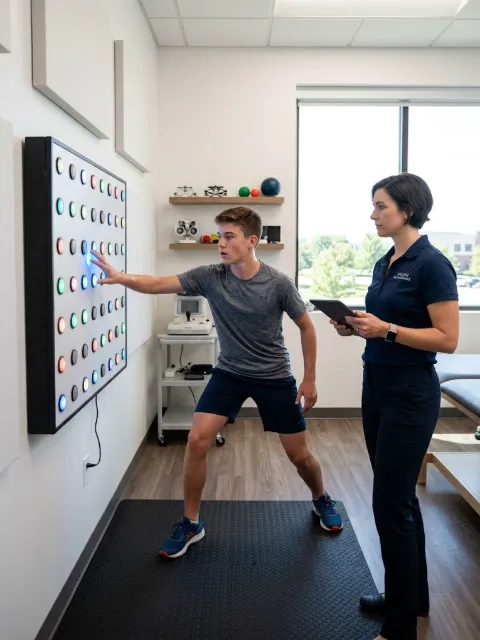
Teen athlete reacting to a light board during a sports vision training session

We train the

1

pillars of elite athletic vision — from reaction time to peripheral awareness.

Vision is More Than Just Seeing Clearly. It’s a Set of Trainable Skills.

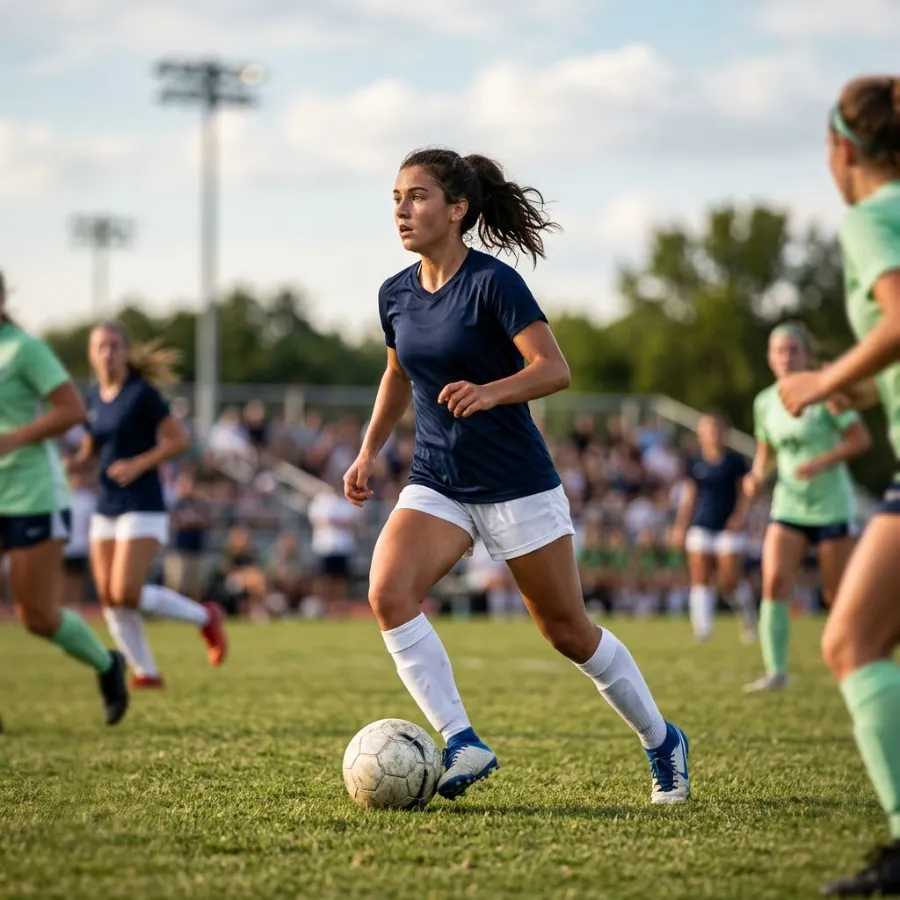
Teen soccer midfielder with her head up, scanning the field with the ball at her feet

Your teen has perfect 20/20 eyesight. So do most of their competitors. But can they instantly track a 90-mph fastball? Can they anticipate a defender’s move from the corner of their eye? Can they sink a free throw under immense pressure?

That isn’t eyesight. That’s vision.

Sports vision is a collection of high-level, dynamic visual skills that allow an athlete to process and react to their environment with lightning speed and precision. While physical talent is essential, it’s an athlete’s visual system that directs every action, every decision, and every game-changing play.

Research shows that elite athletes consistently outperform amateurs in key visual skills like dynamic visual acuity, depth perception, and visual processing speed. The best part? These skills are not just innate — they can be trained and improved.

Which of These Game-Changing Visual Skills Could Your Teen Improve?

Our Sports Vision Training program is designed to assess and enhance the specific visual skills that matter most on the field, court, or ice.

The 5 Pillars of Elite Athletic Vision:

1. Dynamic Visual Acuity:

What it is: The ability to see objects clearly while you and/or the object are in motion.

Why it matters: Tracking a pitch, spotting a moving teammate, or returning a 100-mph tennis serve. Without it, the world is a blur during high-speed play.

2. Eye-Hand-Body Coordination:

What it is: How quickly and accurately your hands and body respond to what your eyes see.

Why it matters: Hitting a baseball, catching a football, or blocking a shot. It’s the foundation of all athletic execution.

3. Visual Processing Speed & Reaction Time:

What it is: The ability to see something, process it, and react in the shortest possible time.

Why it matters: A faster reaction time means the difference between a strikeout and a base hit, a goal and a save. Studies show vision training can significantly improve reaction time.

4. Depth Perception (Stereopsis):

What it is: Accurately judging the distance and speed of objects.

Why it matters: Knowing exactly where the ball will be, when to swing, when to jump, and how to navigate a crowded field. Poor depth perception leads to errors in timing.

5. Peripheral Vision & Awareness:

What it is: Seeing action on the sides of your field of vision without turning your head.

Why it matters: Spotting an open teammate, seeing a defender approaching, and maintaining full awareness of the game. As the UC concussion study proved, it’s also critical for injury prevention.

Different Sports Have Different Visual Demands. We Train for What Matters.

We don’t use a one-size-fits-all approach. We tailor our training protocols to the specific visual demands of your teen’s sport.

For the Baseball/Softball Player:

  • Focus: Dynamic visual acuity, tracking, and eye-hand coordination.
  • The Goal: To make the ball appear “bigger and slower,” improve pitch recognition, and increase batting average.

For the Soccer/Basketball/Hockey Player:

  • Focus: Peripheral awareness, visual processing speed, and depth perception.
  • The Goal: To see the whole field/court, anticipate plays, make smarter passes, and react faster to opponents.

For the Tennis/Pickleball Player:

  • Focus: Reaction time, depth perception, and accommodative flexibility (shifting focus quickly).
  • The Goal: To improve serve returns, react quicker at the net, and have more accurate shot placement.

For the Golfer:

  • Focus: Depth perception, visualization, and focus/concentration.
  • The Goal: To better read greens, improve distance judgment, and maintain focus over the ball.

Our 3-Step Process for Building an Elite Visual System

The BVI Advantage: your teen’s path to peak performance.

The Sports Vision Performance Evaluation

1

This is the ultimate deep dive into your teen’s athletic vision. Using state-of-the-art technology, we benchmark their performance across all key visual skills and compare it to elite athletes in their sport. You’ll see exactly where they excel and where the opportunities for improvement lie.

A Personalized Peak Performance Plan

2

Based on the evaluation, we design a custom training program. This isn’t just a set of exercises; it’s a strategic plan to turn their visual weaknesses into strengths and their strengths into dominant weapons.

Intensive Vision Training

3

Through a series of one-on-one sessions, your teen will work with our vision therapists to push their visual limits. Using advanced tools like light boards, virtual reality, and sensorimotor exercises, we will systematically enhance their visual processing speed, accuracy, and endurance.

From Talented to Dominant: How Sports Vision Training Unleashed Their Potential

Your Questions, Answered

Not at all. While elite athletes use sports vision training to get an edge, it’s incredibly effective for any teen athlete who is serious about improving their game. It can help a player make the varsity team, earn a starting position, or attract the attention of college scouts.

Many athletes notice improvements in their visual awareness and reaction time within the first few sessions. Significant, on-field performance improvements typically become evident over the course of a 10-12 week program as the new visual skills become automatic.

Strength and skills coaches are essential. But they train the body and the technique. We train the system that controls the body and technique: the brain-eye connection. It’s the missing piece of the puzzle in most athletic training regimens.

Practice is crucial, but if a hidden visual weakness is holding them back, they will eventually hit a performance plateau. They might be practicing with an inefficient visual system. We fix the system itself, which makes all their other practice more effective.

References

  1. American Optometric Association. (n.d.). Sports & Performance Vision. aoa.org
  2. Clark, J. F., et al. (2015). An exploratory study of the potential effects of vision training on concussion incidence in football. Optometry & Visual Performance.
  3. Laby, D. M., et al. (2011). The visual function of professional baseball players. American Journal of Ophthalmology.
  4. Appelbaum, L. G., & Erickson, G. (2018). Sports vision training: A review of the state-of-the-art. Eye & Contact Lens.

The Competition Isn't Training Their Eyes. Your Teen Can.

In a world where every athlete is looking for an edge, sports vision training offers a powerful, proven, and often-overlooked advantage. Give your teen the tools to see the game differently, react faster, and perform with a new level of confidence.

Not Sure Where to Start?

Schedule a Consultation

Have questions? Schedule a complimentary call with our team to discuss your situation and see if our approach is the right fit for you.

Take the Symptom Survey

Take our 3-minute survey to better understand your symptoms and discover if a visual processing issue could be the cause.

Learn More at Your Own Pace Or Explore Our Free Resources

Watch Our Webinar

Watch Dr. Lorenzana's free webinar on the hidden link between vision, learning, and brain health.

Download Our Guide

Download our free informational guide, "5 Signs Your Struggles Are a Hidden Vision Problem."
``

A MEMOIR OF HEALING

When Sight Heals the Brain

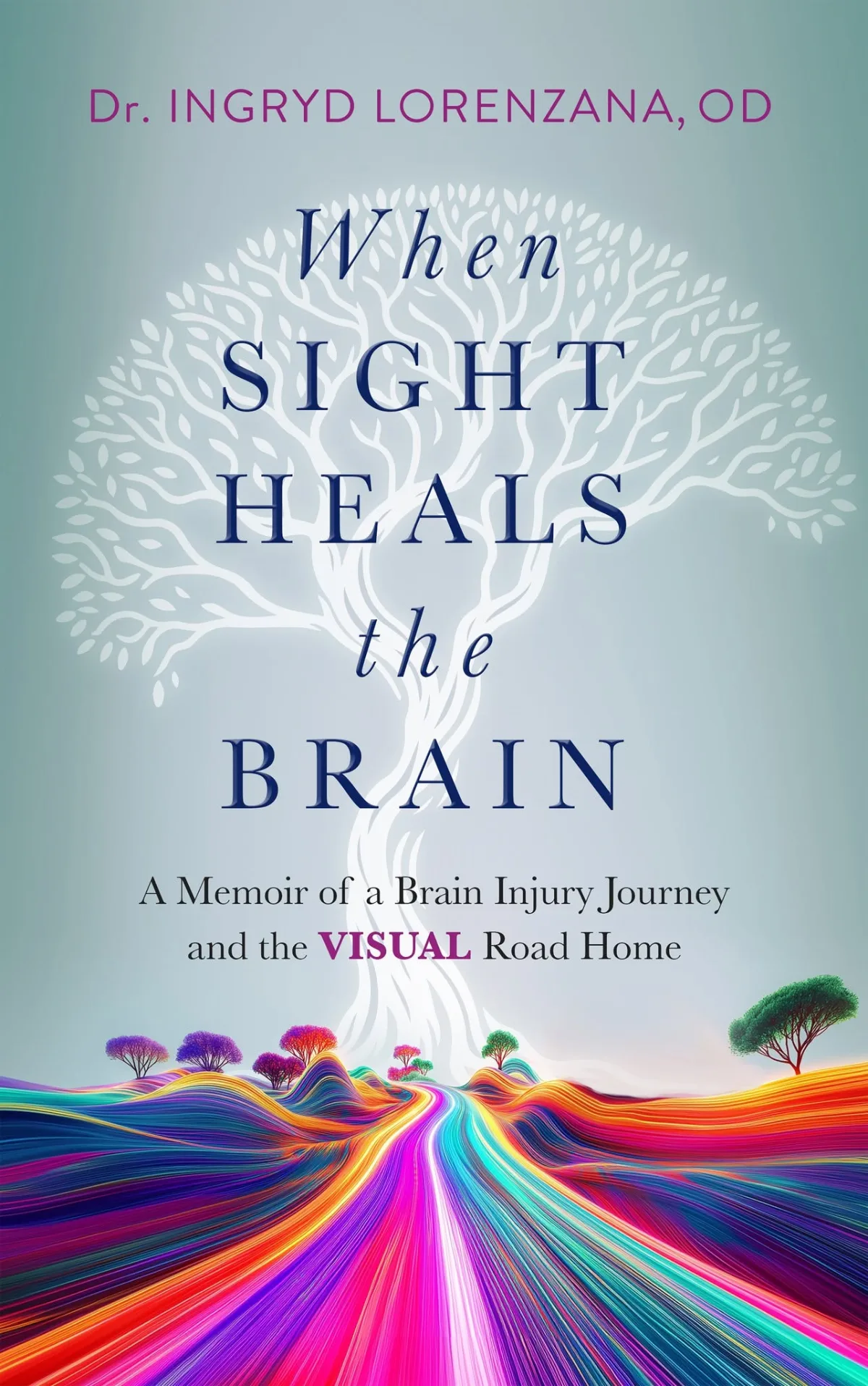
Dr. Ingryd Lorenzana shares her personal journey from struggle to healing, and introduces the VISUAL Road Home—a framework for recovery that changed her life and continues to transform the lives of her patients.


  • A powerful story of brain injury recovery and hope
 
  • Discover the six pillars of the VISUAL Road Home
 
  • Learn how vision and brain health are deeply connected


By

Dr. Ingryd Lorenzana, OD, FAAO, FOVDRA, CBHP

Founder, Brain Vision Institute

Cover of the book When Sight Heals the Brain by Dr. Ingryd Lorenzana

A MEMOIR OF HEALING

When Sight Heals the Brain

Cover of the book When Sight Heals the Brain by Dr. Ingryd Lorenzana

Dr. Ingryd Lorenzana shares her personal journey from struggle to healing, and a framework for recovery that changed her life and is transforming the lives of her patients.


  • A powerful story of brain injury recovery and hope
 
  • Discover the six pillars of the VISUAL Road Home
 
  • Learn how vision and brain health are deeply connected

By

Dr. Ingryd Lorenzana, OD, FAAO, FOVDRA, CBHP

Founder, Brain Vision Institute