


Myopia Progression for Teens

Your Teen’s Glasses Get Thicker Every Year. You Think It’s Normal. It’s a Warning Sign.

That constantly worsening prescription isn’t just an inconvenience; it’s a sign of progressive myopia. Each step up in prescription significantly increases your teen’s lifelong risk for serious, sight-threatening diseases like glaucoma, retinal detachment, and macular degeneration. The good news? You can do more than just buy new glasses. You can actively manage their myopia now to protect their vision for a lifetime.

Smiling teenage girl on a soccer field without glasses
Teen holding a contact lens case while an optometrist explains myopia management

By

2050,

of the world's population will be myopic
1 %

Every Diopter Matters: The Alarming Link Between High Myopia and Future Eye Disease

As a parent, you worry about your teen’s health. You make sure they eat well and stay active. But one of the biggest threats to their long-term health could be their worsening eyesight.

Myopia (nearsightedness) occurs when the eyeball elongates, or grows too long. This stretching of the eye thins the retina and puts significant strain on its delicate structures. It’s not a benign condition; it’s a progressive disease.

Consider the lifetime risks associated with each level of myopia:

Myopia Level (Diopters)Retinal Detachment RiskGlaucoma RiskMacular Degeneration Risk
-1.00 to -3.003x Higher2-3x Higher2x Higher
-3.00 to -6.009x Higher3x Higher10x Higher
Above -6.00 (High Myopia)21x Higher3-4x Higher40x Higher

A teen who reaches -6.00 diopters of myopia has a 21 times greater risk of suffering a retinal detachment in their lifetime. The goal of myopia management is to stop them from ever reaching that point.

Why is Myopia Exploding in Teenagers? Two Key Factors.

The prevalence of myopia has skyrocketed in recent years. By 2050, it’s projected that half the world’s population will be myopic. This isn’t a coincidence; it’s a direct result of the modern teen lifestyle.

1. Increased Screen Time

  • The Problem: Teens spend an average of 7-9 hours per day on screens (phones, laptops, gaming). This prolonged near-work forces the eyes to focus up close for extended periods, which signals the eye to grow longer.
  • The Research: Numerous studies have shown a significant association between increased screen time and the progression of myopia in children and adolescents.

2. Decreased Outdoor Time

  • The Problem: Time spent outdoors has been proven to be a powerful protective factor against myopia. Bright, natural light stimulates the release of dopamine in the retina, which helps to inhibit the abnormal eye growth that causes myopia.
  • The Research: Studies show that spending at least 90-120 minutes outdoors per day can significantly slow down myopia progression.
Teen boy squinting at his phone held close to his face at night

You Can Do More Than Just Watch It Get Worse

For decades, the only solution for worsening myopia was a stronger pair of glasses. That is no longer the case. Modern myopia management allows us to actively slow or even halt the progression of nearsightedness.

Take Control: Evidence-Based Myopia Management Options

Here are the leading, FDA-approved or evidence-based treatments we offer:

1. Orthokeratology (Ortho-K)

What It Is: Custom-designed contact lenses worn overnight to gently reshape the cornea. The lenses are removed in the morning, providing clear vision all day without glasses or contacts.

How It Works: Ortho-K corrects central vision while creating specific peripheral defocus on the retina, which has been shown to slow down the signal for eye growth.

Best For: Active teens who want freedom from glasses and contacts during the day for sports, swimming, and social activities.

2. MiSight® 1 day Contact Lenses

What It Is: The first and only FDA-approved soft contact lens designed to slow the progression of myopia in children and teens.

How It Works: These daily disposable lenses have a unique design with different zones that correct vision while simultaneously creating peripheral defocus to slow eye growth.

Best For: Teens who prefer the convenience of a daily disposable lens and want a proven, FDA-approved solution.

3. Low-Dose Atropine Eye Drops

What It Is: A nightly eye drop used in a very low concentration to relax the eye’s focusing mechanism.

How It Works: The exact mechanism is still being studied, but low-dose atropine is believed to interact with receptors on the retina that control eye growth.

Best For: Teens who are not ready for contact lenses or as a combination therapy with other methods.

A Proactive & Personalized Plan to Protect Your Teen's Vision

Step 1: The Myopia Progression Analysis
We start with a comprehensive evaluation that goes beyond a simple prescription check. We measure your teen’s axial length (the exact length of their eyeball) using advanced biometry, track their prescription history, and assess their lifestyle risk factors to create a complete picture of their myopia progression.

Step 2: A Customized Management Strategy
Based on the data, we’ll recommend the best myopia management option for your teen’s specific needs, prescription, and lifestyle. We’ll discuss the pros and cons of each approach and help you make an informed decision.

Step 3: Ongoing Monitoring & Care
Myopia management is an ongoing partnership. We will see your teen for regular follow-up appointments to monitor their prescription, measure their axial length, and ensure the treatment is working effectively. We adjust the plan as needed to achieve the best possible outcome.

Real Stories of Taking Control

From Worsening Prescriptions to a Stable Future

Frequently Asked Questions

Your Questions, Answered

No. While starting earlier is ideal, it is never too late to begin. The eye continues to grow throughout the teenage years and even into the early 20s. Every diopter of progression you can prevent, even in later years, will reduce their lifelong risk of eye disease.

Yes. Ortho-K and MiSight lenses have been used safely and effectively for years. Like all contact lenses, they carry a small risk of infection, which is minimized with proper hygiene and care. Low-dose atropine has been shown to have minimal side effects.

Myopia management is a specialized field of optometry that requires advanced training and technology, such as a corneal topographer and an axial length biometer. Many general optometrists are not equipped to provide these services.

LASIK is a great procedure for vision correction, but it does not reduce the risks associated with having a long, myopic eyeball. LASIK reshapes the cornea, but the eye itself remains elongated and at a higher risk for retinal detachment, glaucoma, and macular degeneration. The goal of myopia management is to prevent the eye from getting too long in the first place.

References

  1. Wolffsohn, J. S., et al. (2019). Global Trends in Myopia Management Attitudes and Strategies in Clinical Practice. Contact Lens & Anterior Eye.
  2. Flitcroft, D. I. (2012). The complex interactions of retinal, optical and environmental factors in myopia aetiology. Progress in Retinal and Eye Research.
  3. CooperVision. (n.d.). MiSight® 1 day. coopervision.com
  4. American Academy of Ophthalmology. (n.d.). Myopia (Nearsightedness). aao.org

The Choices You Make Today Will Determine Their Eye Health for Decades to Come.

Don’t be a passive observer of your teen’s worsening vision. Take a proactive role in managing their myopia and give them the gift of healthier eyes for life.

Invest in their future. Not just their next pair of glasses.

Not Sure Where to Start?

Schedule a Consultation

Have questions? Schedule a complimentary call with our team to discuss your situation and see if our approach is the right fit for you.

Take the Symptom Survey

Take our 3-minute survey to better understand your symptoms and discover if a visual processing issue could be the cause.

Learn More at Your Own Pace Or Explore Our Free Resources

Watch Our Webinar

Watch Dr. Lorenzana's free webinar on the hidden link between vision, learning, and brain health.

Download Our Guide

Download our free informational guide, "5 Signs Your Struggles Are a Hidden Vision Problem."
``

A MEMOIR OF HEALING

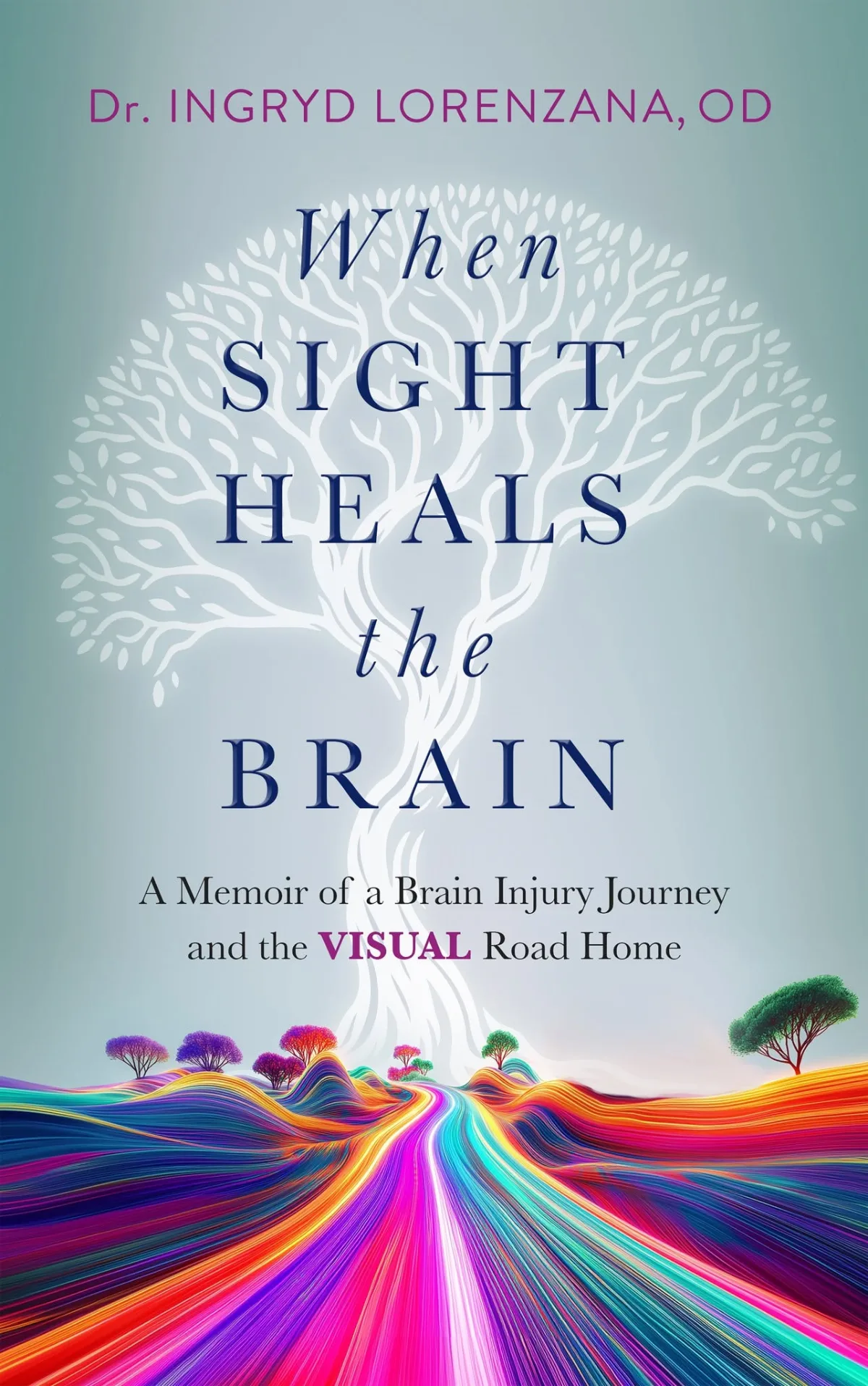
When Sight Heals the Brain

Dr. Ingryd Lorenzana shares her personal journey from struggle to healing, and introduces the VISUAL Road Home—a framework for recovery that changed her life and continues to transform the lives of her patients.


  • A powerful story of brain injury recovery and hope
 
  • Discover the six pillars of the VISUAL Road Home
 
  • Learn how vision and brain health are deeply connected


By

Dr. Ingryd Lorenzana, OD, FAAO, FOVDRA, CBHP

Founder, Brain Vision Institute

Cover of the book When Sight Heals the Brain by Dr. Ingryd Lorenzana

A MEMOIR OF HEALING

When Sight Heals the Brain

Cover of the book When Sight Heals the Brain by Dr. Ingryd Lorenzana

Dr. Ingryd Lorenzana shares her personal journey from struggle to healing, and a framework for recovery that changed her life and is transforming the lives of her patients.


  • A powerful story of brain injury recovery and hope
 
  • Discover the six pillars of the VISUAL Road Home
 
  • Learn how vision and brain health are deeply connected

By

Dr. Ingryd Lorenzana, OD, FAAO, FOVDRA, CBHP

Founder, Brain Vision Institute