Dry Eye in Adults 55+
When Your Eyes Feel Older Than You Do
Burning, gritty, tired eyes shouldn’t be your new normal. Age-related dry eye is one of the most common — and most undertreated — conditions affecting adults over 55. But here’s the truth: this is not something you have to live with. At Brain Vision Institute, we go beyond basic eye drops to identify and treat the root cause of your dry eye, restoring your comfort and protecting your long-term eye health.

Over
of dry eye is “evaporative dry eye” caused by meibomian gland dysfunction — not a lack of tears.
More Than Just an Annoyance — A Threat to Your Quality of Life
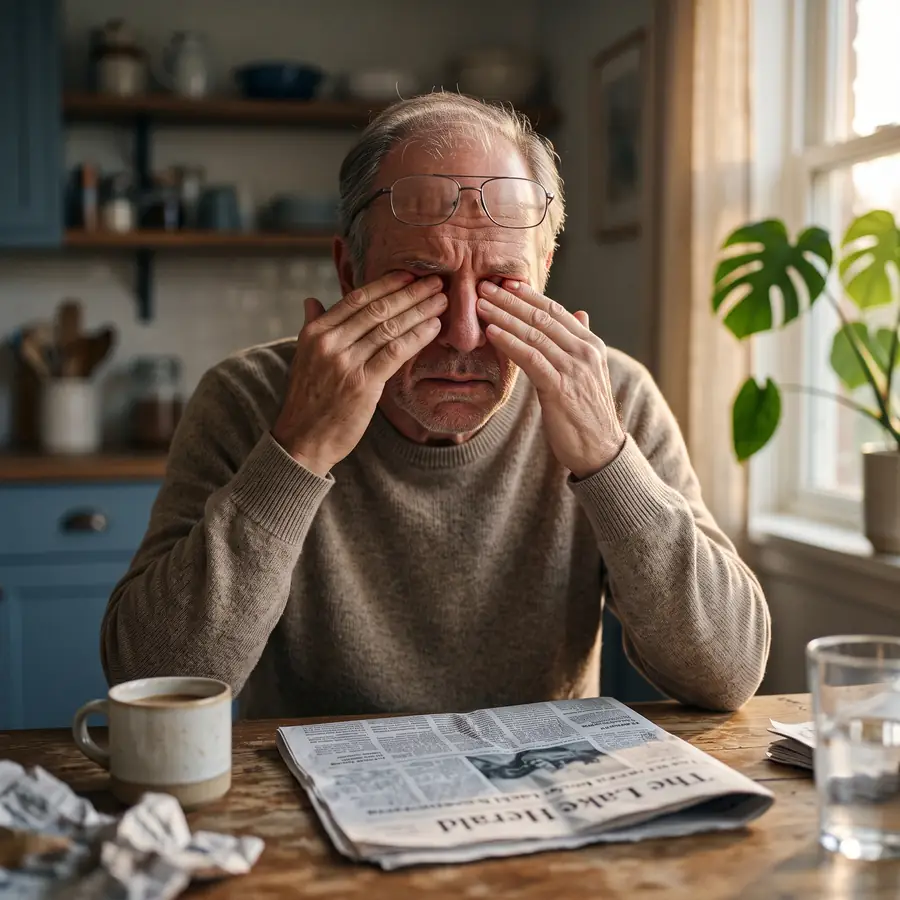
Dry eye is often dismissed as a minor irritation, but for those who suffer from it, the impact on daily life can be profound. It affects your ability to read, drive safely, work on a computer, and even enjoy time with loved ones. And as we age, the problem often gets worse, not better.
Does this sound like you?
- “My eyes burn and sting, especially by the end of the day.”
- “I feel like there’s sand or grit in my eyes, even though there’s nothing there.”
- “My eyes water constantly, which seems strange for ‘dry’ eye.”
- “I can’t read or use my computer for more than a few minutes without discomfort.”
- “Driving at night is difficult because of glare and blurred vision.”
- “I’ve tried every over-the-counter eye drop, and nothing provides lasting relief.”
- “My doctor told me it’s just part of aging and there’s nothing I can do.”
If you’ve been told to “just use artificial tears” or that you have to live with this discomfort, you deserve better answers and better treatment.
It's Not About Tear Production — It's About Oil Production
For decades, dry eye was thought to be primarily a problem of not producing enough tears. But research has revealed that 86% of dry eye is actually “evaporative dry eye,” caused by dysfunction of the meibomian glands — the tiny oil glands in your eyelids.
Here’s how it works: Your tears are made of three layers: an outer oil layer, a middle water layer, and an inner mucus layer. The oil layer, produced by the meibomian glands, is critical because it seals in the water layer and prevents your tears from evaporating too quickly. When these glands become clogged or stop functioning properly (a condition called Meibomian Gland Dysfunction, or MGD), the oil layer is compromised, and your tears evaporate almost instantly, leaving your eyes dry, irritated, and inflamed.
Why does this happen more as we age?
Hormonal Changes:
For women, the drop in estrogen and androgens during and after menopause has a direct, negative impact on the meibomian glands, reducing both the quantity and quality of the oil they produce.
Medications:
Many medications commonly prescribed to older adults — including antihistamines, blood pressure medications, antidepressants, and Parkinson’s medications — can reduce tear production or worsen MGD.
Chronic Inflammation:
As we age, low-grade chronic inflammation (sometimes called “inflammaging”) affects tissues throughout the body, including the meibomian glands and the surface of the eye.
Reduced Blink Quality:
As we age, we tend to blink less completely, which means the meibomian glands don’t get the mechanical stimulation they need to express their oils properly.
Treating the Root Cause, Not Just the Symptoms
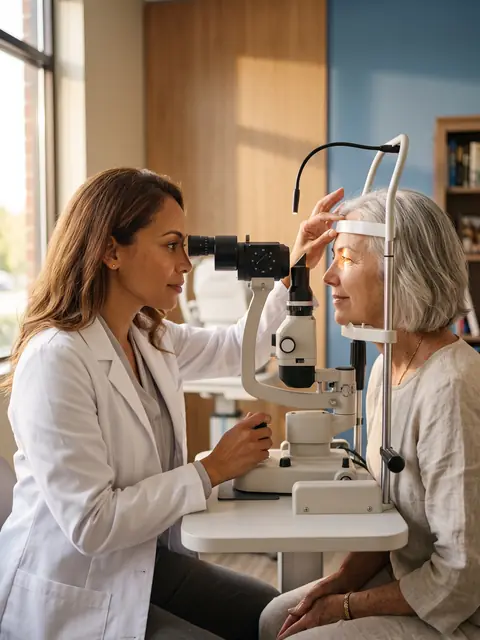
At BVI, we don’t just hand you a bottle of artificial tears and send you on your way. We use advanced diagnostics to identify the specific type and cause of your dry eye, and then create a personalized treatment plan to address the root of the problem.
Based on your evaluation, we will recommend a combination of treatments tailored to your specific needs:
For Meibomian Gland Dysfunction (MGD):
- LipiFlow: An FDA-cleared device that uses heat and gentle massage to unclog the meibomian glands and restore their function. This is a 12-minute in-office procedure that can provide relief for months.
- Intense Pulsed Light (IPL) Therapy: Originally used in dermatology, IPL has been shown to reduce inflammation around the meibomian glands and improve their function. It is particularly effective for people with rosacea-related dry eye.
- Manual Gland Expression: A technique where we manually express the clogged oils from the meibomian glands to restore their function.
For Inflammation:
- Prescription Anti-Inflammatory Drops: Medications like Restasis (cyclosporine) or Xiidra (lifitegrast) work by reducing the inflammation on the surface of the eye, allowing your natural tear production to improve.
- Omega-3 Fatty Acid Supplementation: High-quality Omega-3s (EPA and DHA) have been shown in clinical trials to reduce inflammation and improve meibomian gland function.
For Severe Dry Eye:
- Autologous Serum Tears: Eye drops made from your own blood serum, which contain natural growth factors and anti-inflammatory proteins that can help heal the surface of the eye.
- Scleral Contact Lenses: These specialized lenses create a fluid-filled reservoir over the cornea, providing constant hydration and protection.
The Comprehensive Dry Eye Evaluation
1
We use state-of-the-art technology to get a complete picture of your eye health:
- Meibography: A specialized imaging technique that allows us to see the structure and health of your meibomian glands — exactly how many glands are functioning and how many have atrophied.
- Tear Film Analysis: We measure the quality and quantity of your tears, including tear breakup time and osmolarity (saltiness), which are key indicators of dry eye severity.
- Inflammation Testing: We can test for specific inflammatory markers on the surface of your eye to determine the level of inflammation driving your symptoms.
Your Personalized Treatment Plan
2
Based on your evaluation, we recommend a combination of treatments tailored to your specific needs — targeting MGD, inflammation, or both, using the most advanced options available.
Ongoing Support and Maintenance
3
Dry eye is often a chronic condition that requires ongoing management. We work with you to develop a long-term maintenance plan to keep your eyes comfortable and healthy for years to come.
Finally Finding Relief


Your Questions, Answered
Why do my eyes water if I have dry eye?
This is called “reflex tearing.” When your eyes are dry and irritated, your body tries to compensate by producing a flood of watery tears. However, these tears are mostly water and lack the oil layer needed to stay on the eye, so they run down your cheeks instead of providing relief.
I've tried artificial tears, and they don't help. What's different about your approach?
Artificial tears only provide temporary symptom relief; they don’t address the underlying cause of the problem. Our approach is to diagnose the specific type of dry eye you have and treat the root cause — whether that’s meibomian gland dysfunction, inflammation, or something else.
Are these treatments covered by insurance?
Many of the diagnostic tests and some treatments (like prescription drops) are covered by medical insurance. Advanced treatments like LipiFlow and IPL may not be fully covered, but our team will review your benefits with you and discuss all of your options.
How long does it take to see results?
This varies depending on the severity of your dry eye and the treatments used. Some people feel relief within a few days of starting prescription drops, while others may need several weeks of treatment to see significant improvement. Procedures like LipiFlow can provide relief that lasts for several months.
Related Care at Brain Vision Institute
More for adults 55+
- All 55+ services
- Eye Health Monitoring
- Vision & Nutrition for Brain Health
- Independence, Clarity & Confidence
Dry eye care for other ages
Learn about our approach
References
- Lemp, M. A., et al. (2012). Distribution of aqueous-deficient and evaporative dry eye in a clinic-based patient cohort: a retrospective study. Cornea, 31(5), 472–478.
- American Optometric Association. (n.d.). Meibomian Gland Dysfunction. Retrieved from aoa.org
- Sullivan, D. A., et al. (2017). TFOS DEWS II Sex, Gender, and Hormones Report. The Ocular Surface, 15(3), 284–333.
- American Academy of Ophthalmology. (n.d.). Medications That Can Cause Dry Eye. Retrieved from aao.org
- Greiner, J. V. (2012). Long-term (12-month) improvement in meibomian gland function and reduced dry eye symptoms with a single thermal pulsation treatment. Clinical & Experimental Ophthalmology, 40(8), 831–837.
- Craig, J. P., et al. (2015). Prospective trial of intense pulsed light for the treatment of meibomian gland dysfunction. Investigative Ophthalmology & Visual Science, 56(3), 1965–1970.
- National Eye Institute. (n.d.). Dry Eye. Retrieved from nei.nih.gov
- Kangari, H., et al. (2013). Short-term consumption of oral omega-3 and dry eye syndrome. Ophthalmology, 120(11), 2191–2196.
- College of Optometrists in Vision Development. (n.d.). Dry Eye Syndrome. (Provides information on the impact of dry eye on vision and quality of life).
- Peer-reviewed journals on the prevalence and treatment of age-related dry eye.
Don't Accept Discomfort as Your New Normal
Dry eye is not just a minor annoyance; it’s a medical condition that deserves proper diagnosis and treatment. You don’t have to live with burning, gritty, tired eyes. Schedule a comprehensive dry eye evaluation today and take the first step toward lasting comfort and healthier eyes.