

Comprehensive Brain-Visual Evaluation for Teens

Your Teen Was a Great Student. So Why is High School Suddenly a Struggle?

What Changed?


It’s one of the most confusing and frustrating experiences for a parent. Your bright, capable teen, who sailed through elementary school, suddenly hits a wall. The truth is, they haven’t changed—the demands have. The visual compensation strategies that used to work have collapsed under the weight of high school academics, revealing a hidden vision problem that is sabotaging their success and their confidence.

Up to

1 %

of all learning in the classroom is visual.

They Were Fine in Elementary School. What Changed?

In elementary school, a bright child can often power through an inefficient visual system using sheer intelligence. The reading assignments are short, the print is large, and there’s less homework. They can compensate.

But high school is a different world. The academic workload explodes. This is when a teen “hits the wall.”

  • The Reading Load Multiplies

Hours of dense textbook reading for AP and honors classes.

  • Digital Demands Increase

Laptops are required, homework is online, and research is constant.

  • The Pace Accelerates

Faster lectures, more complex information, and higher stakes on tests.

This massive increase in visual demand overwhelms their fragile compensation strategies. The underlying vision problem—which was always there—is finally exposed. The result is a teen who is working harder than ever but getting worse results, leading to anxiety, frustration, and a loss of confidence.

Is It Really ADHD, or a Vision Problem That Looks Just Like It?

You see the symptoms: difficulty focusing, careless mistakes, avoiding reading. It’s a classic ADHD profile. But what if the root cause isn’t a primary attention issue? What if it’s a vision problem that forces the brain into a state of distraction?

Convergence Insufficiency (CI) is a common vision condition where the eyes struggle to work together for near tasks. For a teen trying to read, the brain has to expend a massive amount of energy just to keep the words from doubling or blurring. This constant struggle manifests as the very symptoms used to diagnose ADHD.


A landmark study found that children with Convergence Insufficiency are 3 times more likely to be diagnosed with ADHD than children with normal vision.

Treating the vision problem often resolves the attention issues.

The Amen Clinics Perspective

Dr. Daniel Amen’s work shows that when the visual system is strained, it puts a significant drag on brain function, which can mimic symptoms of ADHD. A comprehensive evaluation can differentiate a vision problem from a primary attention problem, especially when these symptoms appear during the high-stress transition to high school.

The Hidden Signs of a Vision Problem in Teenagers

Your teen may not complain about their vision. See if any of these sound familiar:

Homework takes forever

A 30-minute assignment turns into a 3-hour battle.

Avoids reading at all costs

They’ll do anything to get out of reading for school.

Careless mistakes on tests


They know the material but make simple errors.

Complains of headaches or eye strain

Especially after school or during homework.

Loses their place while reading

They use their finger to track, skip lines, or have to re-read sentences.

Poor reading comprehension

They can read the words, but they can’t remember or understand what they just read.

Test anxiety

They panic during exams, especially timed tests like the SAT or ACT, because their visual system can’t keep up.

Your Teen's Pathway to Peak Performance
Our 3-Step Process to Uncovering and Treating Hidden Vision Problems

The Comprehensive Neuro-Visual Evaluation

1

This comprehensive evaluation assesses the 17 critical visual skills required for academic success to pinpoint the exact visual weaknesses that are hindering your teen’s learning.

Diagnosis & Personalized Plan

2

Based on the data, we create a targeted treatment plan, including a customized program of vision therapy, which may include performance-enhancing nutritional recommendations to turn your teen’s visual deficits into strengths.

Treatment & Performance Optimization

3

Through one-on-one therapy sessions, we retrain their eyes and brain to work together efficiently, making reading, studying, and test-taking feel effortless instead of exhausting.

Real Stories—From Struggling to Thriving

Frequently Asked Questions

20/20 vision only means your teen can see clearly at a distance. It says nothing about the 15 other critical visual skills needed for reading, learning, and sports. A person can have 20/20 vision and still have a significant, life-altering vision problem.

Your teen was likely compensating for a vision problem for years. The intense academic and social pressures of high school finally overwhelmed their ability to compensate, causing the symptoms to surface. The problem isn’t new; the demands are.

A regular eye exam checks for eye health and determines a prescription for glasses. Our evaluation assesses how your eyes and brain work together as a team. We test skills like eye tracking, focusing, and visual processing speed—the skills that directly impact learning, sports, and daily life.

It’s possible, but many symptoms of ADHD (inattention, difficulty with reading, frustration with schoolwork) are also symptoms of a visual processing disorder. In fact, studies show a significant overlap. A comprehensive evaluation is the only way to rule out a vision issue as a contributing factor.

References

  1. American Optometric Association. (n.d.). School-aged Vision: 6 to 18 Years of Age. aoa.org
  2. Amen Clinics. (n.d.). ADHD & ADD Treatment. amenclinics.com
  3. College of Optometrists in Vision Development. (n.d.). What is a Learning-Related Vision Problem? covd.org
  4. Mills, K. L., Goddings, A. L., Clasen, L. S., Giedd, J. N., & Blakemore, S. J. (2014). The developmental mismatch in structural brain maturation during adolescence. Developmental Neuroscience, 36(3-4), 147-160.
  5. American Optometric Association. (n.d.). Attention Deficit/Hyperactivity Disorder. aoa.org

Stop Guessing. Get Answers. Unlock Your Teen’s True Potential.

If your once-successful teen is now struggling, a hidden vision problem is a likely cause. Schedule a comprehensive neuro-visual evaluation today. It’s the first step to getting clear answers and a plan for a brighter future.

Not Sure Where to Start?

Schedule a Consultation

Have questions? Schedule a complimentary call with our team to discuss your situation and see if our approach is the right fit for you.

Take the Symptom Survey

Take our 3-minute survey to better understand your symptoms and discover if a visual processing issue could be the cause.

Learn More at Your Own Pace Or Explore Our Free Resources

Watch Our Webinar

Watch Dr. Lorenzana's free webinar on the hidden link between vision, learning, and brain health.

Download Our Guide

Download our free informational guide, "5 Signs Your Struggles Are a Hidden Vision Problem."
``

A MEMOIR OF HEALING

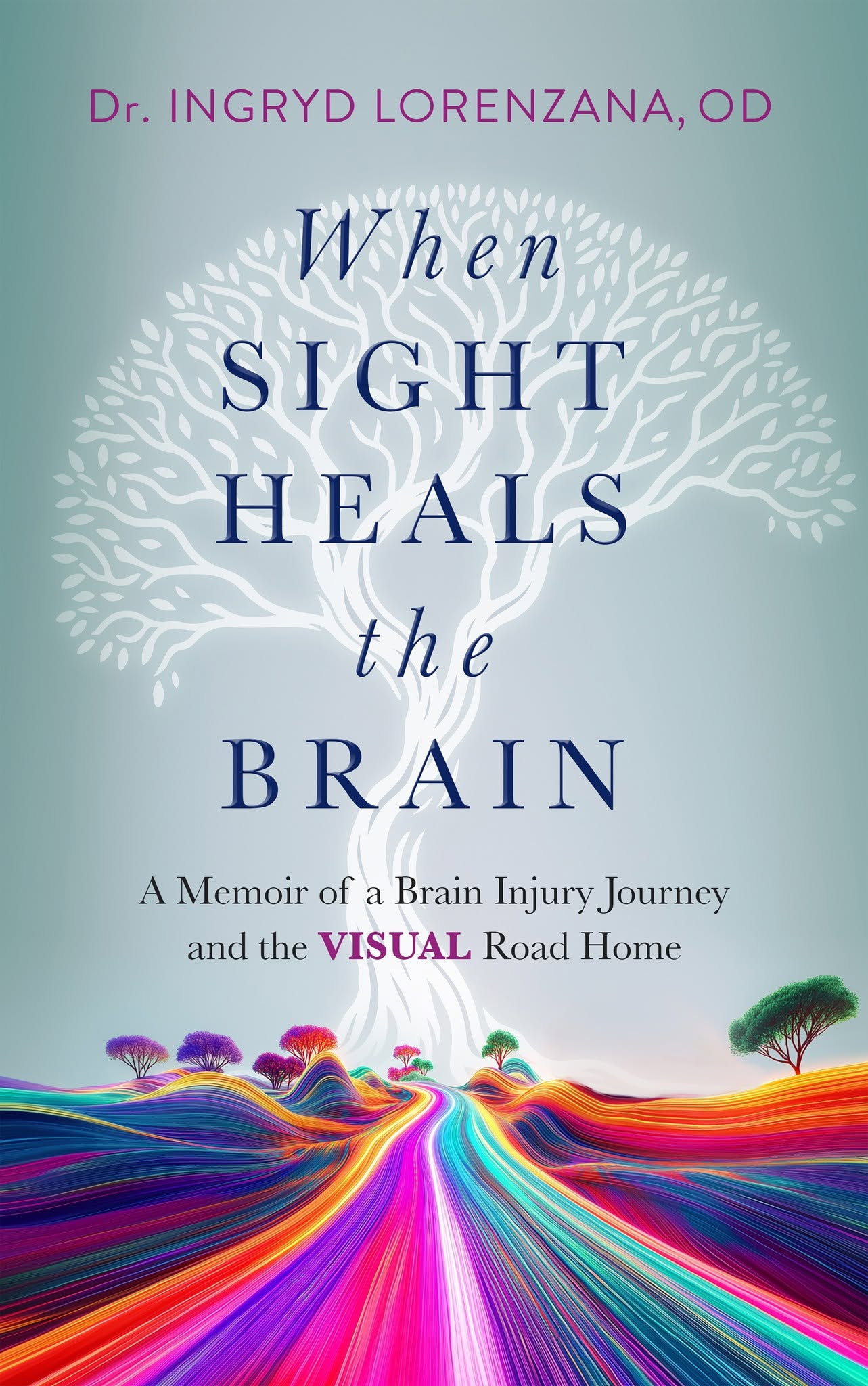
When Sight Heals the Brain

Dr. Ingryd Lorenzana shares her personal journey from struggle to healing, and introduces the VISUAL Road Home—a framework for recovery that changed her life and continues to transform the lives of her patients.


  • A powerful story of brain injury recovery and hope
 
  • Discover the six pillars of the VISUAL Road Home
 
  • Learn how vision and brain health are deeply connected


By

Dr. Ingryd Lorenzana, OD, FAAO, FOVDRA, CBHP

Founder, Brain Vision Institute

A MEMOIR OF HEALING

When Sight Heals the Brain

Dr. Ingryd Lorenzana shares her personal journey from struggle to healing, and a framework for recovery that changed her life and is transforming the lives of her patients.


  • A powerful story of brain injury recovery and hope
 
  • Discover the six pillars of the VISUAL Road Home
 
  • Learn how vision and brain health are deeply connected

By

Dr. Ingryd Lorenzana, OD, FAAO, FOVDRA, CBHP

Founder, Brain Vision Institute

Free [x]

Lead Magnet Title Goes Here

Lorem ipsum dolor sit amet, consectetur adipiscing elit. Ut elit tellus, luctus nec ullamcorper mattis, pulvinar dapibus leo.

Free [x]

Lead Magnet Title Goes Here

Lorem ipsum dolor sit amet, consectetur adipiscing elit. Ut elit tellus, luctus nec ullamcorper mattis, pulvinar dapibus leo.