Visual Snow Syndrome
Is Your World Filled with Static? You're Not Imagining It.
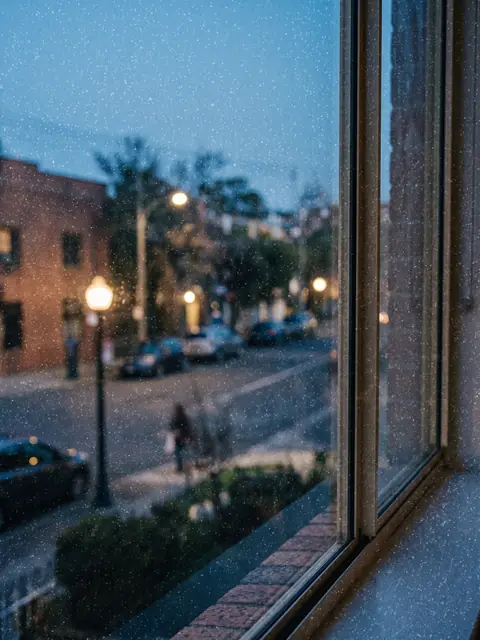
If you’re living in a world of constant visual static, like an old TV that’s never tuned in, you may have been told it’s all in your head. You’ve seen multiple doctors. You’ve had countless eye exams. Everything comes back “normal,” but you know something is wrong. The flickering dots, afterimages, and light sensitivity are real. They’re affecting your work, your relationships, and your quality of life.
It’s a neurological condition called Visual Snow Syndrome (VSS), and at Brain Vision Institute, we see you, we believe you, and we can help.

You Are Not Alone —
of the general population experiences Visual Snow Syndrome — though many cases go undiagnosed after patients are repeatedly dismissed.
The World Through a Snowy Lens: More Than Just an Annoyance
Visual Snow Syndrome is a debilitating condition that can make every waking moment a struggle. It’s not just the constant static; it’s a constellation of symptoms that can disrupt your career, your relationships, and your sense of self. You might be experiencing:
The Visual Symptoms
- A constant overlay of “snow” or “static” in your entire field of vision, whether your eyes are open or closed. Some describe it as seeing the world through a layer of television static, or as if you’re looking through a snow globe that’s been shaken.
- Trailing or lingering images that follow moving objects (Palinopsia). When you move your eyes, you see afterimages of what you just looked at, creating a disorienting visual echo.
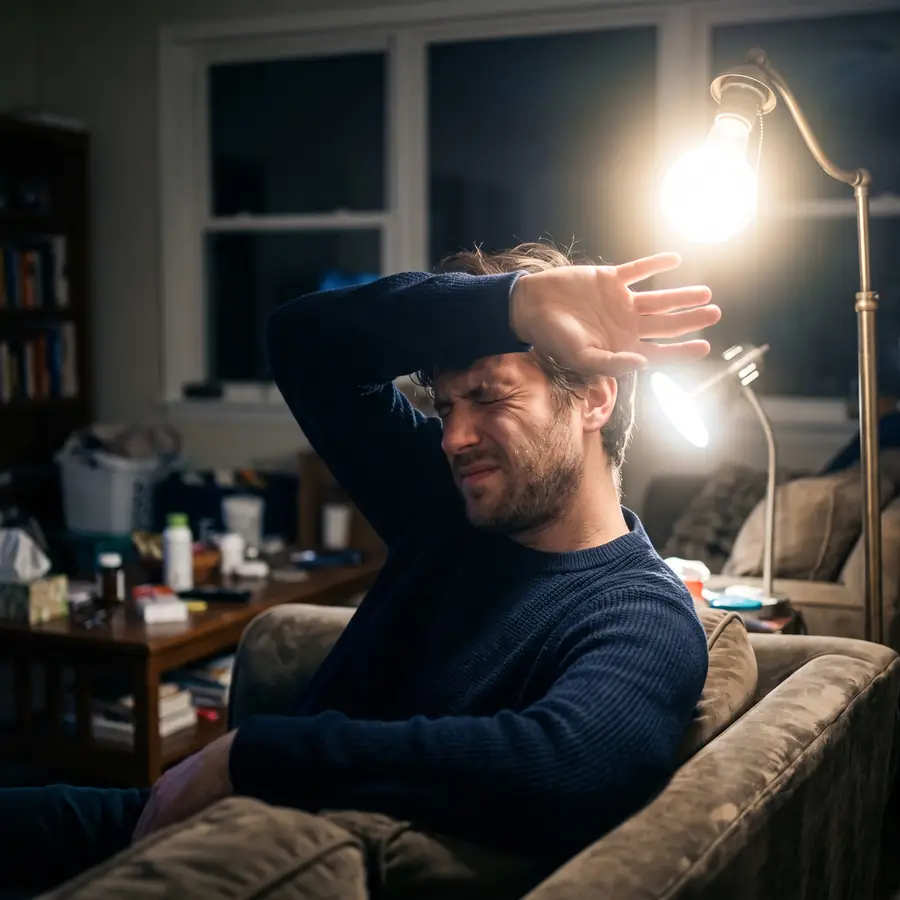
- Extreme sensitivity to light (Photophobia) that makes it difficult to be in brightly lit environments, use a computer, or drive at night.
- Difficulty seeing at night (Nyctalopia), making nighttime driving dangerous or impossible.
- Enhanced entoptic phenomena: Seeing floaters, flashes of light, or other visual disturbances within your own eyes, even when there’s nothing physically wrong with your eyes.
The Hidden Toll: Beyond What You See
VSS doesn’t just affect your vision — it affects your entire life. Research has shown that people with VSS experience significantly higher rates of:
- Anxiety and depression: The constant visual disturbances can be mentally exhausting and isolating.
- Depersonalization: A feeling of being disconnected from yourself or reality.
- Fatigue and poor sleep: The visual static doesn’t go away when you close your eyes, making restful sleep difficult.
- Difficulty concentrating: The constant visual noise makes it hard to focus on work, reading, or conversations.
- Social isolation: Many people with VSS withdraw from social activities because the visual symptoms are overwhelming in crowded or brightly lit environments.
The Diagnostic Odyssey: Why You’ve Been Dismissed
If you’ve sought help, you may have been dismissed by doctors who are unfamiliar with VSS. You may have been told it’s just stress, anxiety, or a migraine aura. Some patients are even told they’re making it up. This dismissal can be as traumatic as the condition itself.
But VSS is a distinct neurological disorder that was first formally described in the 1990s and has been increasingly recognized by the medical community. It affects approximately 2-3% of the general population, though many cases go undiagnosed because patients give up seeking help after being repeatedly dismissed.
The Science: A Brain on Overdrive
Visual Snow Syndrome is not a problem with your eyes; it’s a problem with how your brain processes visual information. Researchers believe that VSS is caused by hyperactivity in the visual cortex of the brain. This means that your brain is essentially in a state of overdrive, creating the constant visual disturbances that you experience.
What Triggers Visual Snow Syndrome?
While the exact cause is still being researched, VSS is often triggered by:
- Concussion or traumatic brain injury (TBI): This is the primary etiology in many cases.
- Migraine: Many people with VSS also have a history of migraines, though VSS is distinct from migraine aura.
- Anxiety disorders: There is a strong association between VSS and anxiety, though it’s unclear whether anxiety causes VSS or is a result of living with the condition.
- Unknown factors: In some cases, VSS appears spontaneously without an identifiable trigger.
Why Traditional Treatments Have Failed
Medications have had minimal success in treating VSS. Studies have shown that only about 20% of patients respond to medications, and in many cases (up to 35%), medications have actually exacerbated the visual snow. This is why a neuro-optometric approach is so critical.
The CogniViiSION® Framework: Retuning Your Brain for a Clearer World
At Brain Vision Institute, we are at the forefront of treating Visual Snow Syndrome. Our CogniViiSION® Framework is a revolutionary neuro-optometric rehabilitation program that is designed to retrain your brain and calm the hyperactivity in your visual system. We utilize a combination of cutting-edge therapies that have been proven effective in research studies.
Our Evidence-Based Approach Includes:
1. Precision Chromatic Filters:
Research has shown that 80-90% of patients with VSS prefer a specific, precision chromatic tint that significantly reduces their symptoms. We use specialized colorimetry technology to determine the exact wavelength of light that is most soothing to your visual system.
These filters typically reduce light transmission over the shorter wavelengths of the visible spectrum (particularly blue light). Common tints that have been shown to be effective include:
- FL-41: A rose-tinted lens that filters out blue light
- BPI-Omega and BPI-Mu: Specialized tints designed for visual snow and light sensitivity
These filters can significantly reduce the intensity of the visual snow, palinopsia (trailing images), and photosensitivity (light sensitivity). On average, patients report a 50% reduction in symptoms, with some experiencing improvement ranging from 10% to 100%.
2. Syntonic Photobiomodulation:
We use specific frequencies of light to restore balance to your autonomic nervous system and reduce the hyperactivity in your brain. This non-invasive therapy has been shown to improve visual processing and support overall neurological health.
3. Vision Therapy and Eye Movement Training:
Our customized vision therapy program includes:
- Saccadic tracking exercises over a range of amplitudes and in multiple directions (horizontal, vertical, and oblique) to reduce palinopsia. Research has shown that this type of training has a high level of success (>90%) in reducing afterimages.
- Convergence and accommodation training to address any underlying oculomotor dysfunctions. Studies have found that approximately 60% of VSS patients have oculomotor dysfunctions (such as convergence insufficiency or saccadic dysmetria), which is more than twice the rate found in the general population.
- Visual scanning exercises to improve awareness and processing efficiency.
4. Lifestyle and Stress Management:
Because stress, fatigue, and poor sleep can worsen VSS symptoms, we provide guidance on:
- Sleep optimization: Establishing a consistent sleep schedule and creating a comfortable sleep environment.
- Stress reduction techniques: Meditation, mindfulness, yoga, and other relaxation strategies.
- Screen time management: Strategies for reducing visual strain during computer and phone use.
Your Path to a Quieter, Clearer World
VSS is diagnosed based on specific criteria: persistent visual snow throughout your entire visual field for at least three months, plus at least two of four additional symptoms — palinopsia, entoptic phenomena, photophobia, or nyctalopia. During your comprehensive evaluation, we rule out other conditions and determine if you meet the diagnostic criteria, then build a treatment plan combining the therapies above.
The Comprehensive VSS Evaluation
1
We conduct a thorough neuro-optometric evaluation against the established diagnostic criteria for Visual Snow Syndrome, ruling out other conditions and determining exactly which symptoms and oculomotor dysfunctions are affecting you.
Your Personalized CogniViiSION® Treatment Plan
2
Based on your evaluation, we build a customized plan combining precision chromatic filters, Syntonic photobiomodulation, and vision therapy — typically a 12-16 week course of in-person, one-on-one sessions.
Ongoing Monitoring & Symptom Reduction
3
We track your progress throughout treatment, adjusting your plan as needed. Our goal is to reduce your symptoms to a level where the visual snow becomes quiet background noise you can easily ignore, rather than a constant distraction.
Real Transformation: Sarah's Story

Your Questions, Answered
Is there a cure for Visual Snow Syndrome?
While there is no cure for VSS, our neuro-optometric rehabilitation program can significantly reduce your symptoms and improve your quality of life. Research shows that 80-90% of patients experience meaningful improvement with the right interventions.
How long does the treatment take?
The standard neuro-optometric rehabilitation protocol for VSS typically consists of a 12-16 week course of in-person, one-on-one therapy sessions. Duration varies depending on the severity of your symptoms and your individual response — some patients experience significant improvement within the first few weeks.
Is this covered by insurance?
Coverage for neuro-optometric rehabilitation varies by insurance plan. Many insurance companies do cover vision therapy when it is deemed medically necessary. We will work with you to determine your benefits and provide the necessary documentation for your insurance company.
I've tried medications and they didn't work. Is there any hope for me?
Yes. Research shows medications are generally ineffective for VSS, with only about 20% of patients responding. However, neuro-optometric rehabilitation — including precision chromatic filters and vision therapy — has a much higher success rate (80-90%). You are not out of options.
How do I know if I have Visual Snow Syndrome or something else?
VSS is diagnosed based on specific criteria: persistent visual snow throughout your entire visual field for at least three months, plus at least two of four additional symptoms — palinopsia, entoptic phenomena, photophobia, or nyctalopia. During your comprehensive evaluation, we rule out other conditions and determine if you meet the diagnostic criteria.
Can Visual Snow Syndrome cause blindness?
No. VSS is not known to cause vision loss or worsen over time in terms of visual acuity. It is a stable condition, though symptoms can fluctuate based on stress, fatigue, and other factors. The primary impact is on quality of life, not on the physical health of your eyes.
Will the visual snow ever go away completely?
For some patients, VSS symptoms can spontaneously improve or even resolve over time. For others, the condition is chronic. Our goal is to reduce the intensity of your symptoms to a level where they no longer significantly impact your daily life. Many patients report that after treatment, the visual snow becomes “background noise” that they can easily ignore, rather than a constant distraction.
Is Visual Snow Syndrome related to migraines?
Many people with VSS also have a history of migraines, and there is some overlap in symptoms. However, VSS is distinct from migraine aura. The visual snow in VSS is persistent (present all the time), whereas migraine aura is temporary (lasting minutes to an hour). If you have both conditions, we can address both in your treatment plan.
Can stress or anxiety cause Visual Snow Syndrome?
While stress and anxiety can worsen VSS symptoms, they do not cause the condition. VSS is a neurological disorder with a physical basis in the brain. However, the relationship between VSS and mental health is bidirectional — living with constant visual disturbances can lead to anxiety and depression, and anxiety can make the symptoms feel more intense.
Related Care at Brain Vision Institute
References
- Cleveland Clinic. (2022, November 13). Visual Snow Syndrome (Static Vision): Symptoms & Causes. Retrieved from my.clevelandclinic.org
- Solly, E. J., Clough, M., Foletta, P., White, O. B., & Fielding, J. (2021). The psychiatric symptomology of visual snow syndrome. Frontiers in Neurology, 12, 703006.
- Monash University. (2022, March 11). Visual Snow Syndrome causes becoming clearer. Retrieved from monash.edu
- American Academy of Ophthalmology. (2024, December 1). Visual Snow Syndrome: A perplexing storm of misperception. Retrieved from aao.org
- Romozzi, M., Marcelli, M. E., Rossi, E., Vollono, C., Pilato, F., Testani, E., … & Calabresi, P. (2024). Prevalence and characteristics of visual snow syndrome in the Italian population. European Journal of Neurology, 31(1), e16472.
- Ciuffreda, K. J., Tannen, B., Rutner, D., & Han, M. E. (2023). Neuro-optometric treatment for visual snow syndrome: recent advances. Concussion, 8(3), CNC110.
- Lauschke, J. L., Plant, G. T., & Fraser, C. L. (2016). Visual snow: A thalamocortical dysrhythmia of the visual pathway? Journal of Clinical Neuroscience, 28, 123-127.
- University of Colorado Anschutz Medical Campus. (2025, December 12). Investigating what sets Visual Snow Syndrome apart from migraines. Retrieved from news.cuanschutz.edu
- Visual Snow Initiative. (n.d.). Neuro-Optometric Rehabilitation Therapy (NORT). Retrieved from visualsnowinitiative.org
- Cook Vision Therapy. (n.d.). Clearing the static: Visual Snow treatment options. Retrieved from cookvisiontherapy.com
Additional research sources
- van Dongen, R. M., Alderliefste, G. J., Onderwater, G. L. J., Ferrari, M. D., & Terwindt, G. M. (2019). Treatment effects and comorbid diseases in 58 patients with visual snow. Neurology, 93(4), e398-e403.
- Puledda, F., Schankin, C., Digre, K., & Goadsby, P. J. (2022). Evaluation of treatment response and symptom progression in 400 patients with visual snow syndrome. British Journal of Ophthalmology, 106(9), 1318-1323.
- Costa, R. M., Barboni, M. T., Moura, A. L., Bonci, D. M., Gualtieri, M., de Lima Silveira, L. C., & Ventura, D. F. (2022). Prevalence of visual snow and relation to attentional control in a Brazilian sample. Frontiers in Neurology, 13, 1006958.
- Visual Snow Initiative. (n.d.). Visual Snow Syndrome statistics. Retrieved from visualsnowinitiative.org
- National Organization for Rare Disorders (NORD). (2024, December 3). Visual Snow Syndrome. Retrieved from rarediseases.org
- Ayesha, A., Chaudhry, N., Malik, A. N., Butt, N. H., Rashid, M. A., Shahbaz, N., & Malik, R. (2025). Diagnostic and management strategies of visual snow syndrome: current perspectives. Eye and Brain, 17, 1-15.
You Don't Have to Live in a World of Static. Find Your Clarity.
If you’re ready to turn down the noise and see the world with a new sense of clarity, contact us today. We’ll conduct a comprehensive evaluation to determine if you are a candidate for our CogniViiSION® Framework for Visual Snow Syndrome.
You deserve to be heard. You deserve to be helped. You deserve to see clearly.