

Comprehensive Brain-Visual Longevity Evaluation
Live Your Life with Confidence and Independence
Aging is a part of life, but a decline in vitality and independence doesn’t have to be. Your vision is the primary system that guides your balance, your movement, and your ability to interact safely with the world. Our Comprehensive Brain-Visual Longevity Evaluation is a proactive step to ensure this critical system is supporting your brain health, so you can continue to live the active, fulfilling life you love.
We assess
key visual-brain skills crucial for your balance, safety, and independence — skills a standard eye exam doesn’t test.
When You Start to Question Your Confidence
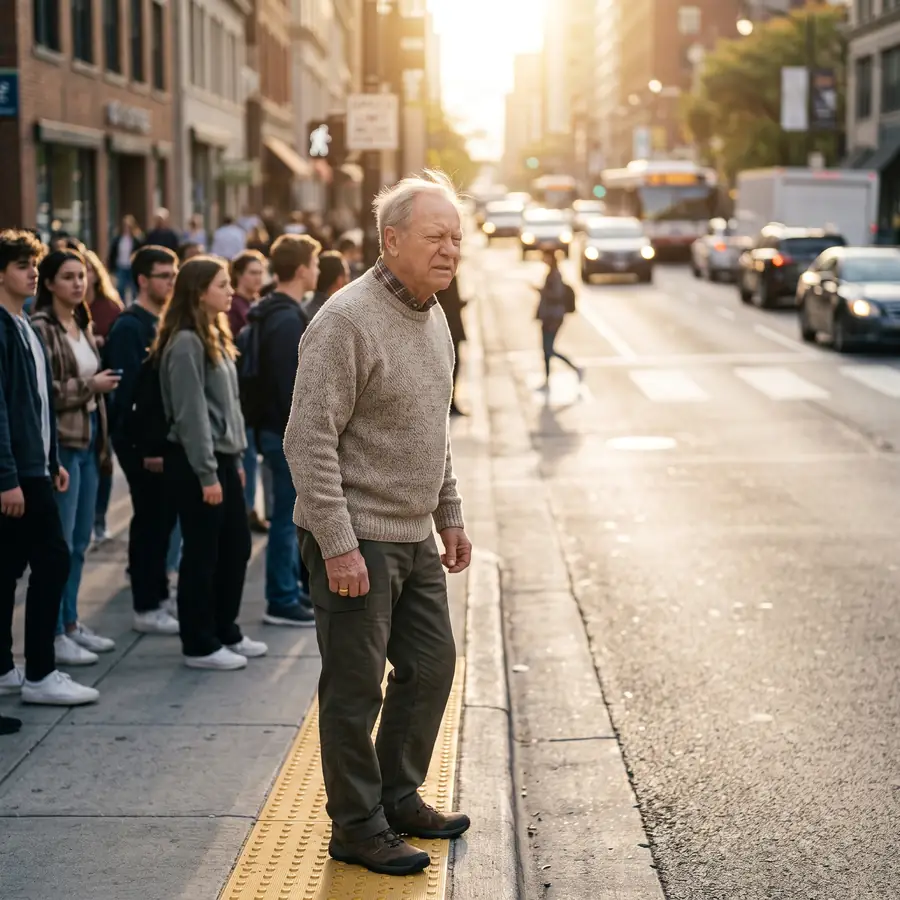
You’ve always been active and independent. But recently, you’ve noticed small changes. A moment of hesitation on the stairs. A feeling of unsteadiness in a crowded room. A new reluctance to drive at night. These moments can be unsettling, and they often get dismissed as “just a normal part of aging.”
Do any of these thoughts sound familiar?
- “I’m worried about falling, so I’m not as active as I used to be.”
- “Reading isn’t as enjoyable anymore; my eyes get tired so quickly.”
- “I want to keep my mind sharp and live independently for as long as possible.”
- “Is this just normal aging, or is there something I can do about it?”
These are not just signs of getting older; they are important signals from your brain-vision system that it may need support.
The Critical Link Between Vision, Balance, and Brain Health
As we age, subtle changes in the visual system can have a significant impact on our overall health and safety. The brain relies on accurate information from the eyes to maintain balance, judge distances, and navigate the environment. Research shows a direct link between poor visual function and an increased risk of falls in older adults.
A fall can be a life-altering event, leading to a loss of independence. Furthermore, an inefficient visual system forces the brain to work harder, which can impact cognitive function and energy levels.
A proactive evaluation is key. By assessing your brain-vision connection before a major issue occurs, we can identify and address hidden inefficiencies, helping you preserve your mobility, confidence, and cognitive health for years to come.
A Proactive Assessment for Lifelong Vitality
Our Comprehensive Brain-Visual Longevity Evaluation is designed specifically for adults who want to proactively manage their health and maintain their independence. Using our proprietary CogniViiSION® framework, we assess the key visual skills that support a vibrant, active life.
We Assess the Skills Crucial for Healthy Aging:
Visual-Vestibular Integration:
How your vision and inner ear work together to control balance.
Visual Processing Speed:
How quickly your brain can react to your environment — critical for driving and preventing falls.
Depth Perception & Contrast Sensitivity:
Skills essential for navigating stairs, curbs, and low-light situations.
Eye Health & Neuro-Markers:
We monitor for age-related eye diseases and look for visual markers that can be early indicators of neurodegenerative change.
This evaluation provides a baseline for your neuro-visual health and a personalized plan to support it.
A Clear Path to Peace of Mind
Your Health & Lifestyle Review
1
We begin with a thorough conversation about your health history, your daily activities, and your goals for the future. We want to understand what’s most important to you.
The Brain-Visual Longevity Evaluation
2
Our specialists will guide you through a series of comfortable, non-invasive tests to measure your visual skills — everything from eye health to how your brain processes visual information related to balance and movement.
Your Personalized Longevity Plan
3
We review your results with you in a clear, easy-to-understand way. You’ll receive a personalized plan that may include nutritional recommendations, therapeutic lenses, or a targeted vision therapy program designed to strengthen your brain-vision connection.
Real Results from Our Patients
Your Questions, Answered
I just had my eyes checked by my regular eye doctor. How is this different?
Your regular eye doctor performs a crucial role in checking the health of your eyes and updating your glasses prescription. Our evaluation goes a step further to assess the functional connection between your eyes and your brain — testing skills related to balance, processing speed, and fall risk that are not part of a standard eye exam.
Are my balance issues really a vision problem?
They can be. The brain relies on three systems for balance: your vision, your inner ear (vestibular system), and your sense of touch (proprioception). If the visual information is inaccurate or slow, it can throw the whole system off. We can determine if a visual inefficiency is contributing to your balance concerns.
Is it too late for me to see improvement?
Absolutely not. The brain is capable of change and learning at any age — a concept known as neuroplasticity. Our programs are designed to leverage the brain’s ability to create new, more efficient pathways, helping you improve function and confidence regardless of your age.
What is the goal of this evaluation?
The primary goal is proactive care. We want to identify and address potential issues before they lead to a fall or a significant decline in independence. It’s about preserving your quality of life and empowering you with the tools to stay active, safe, and engaged.
Related Care at Brain Vision Institute
More for adults 55+
Comprehensive evaluations for other ages
Learn about our approach
References
- Lord, S. R. (2006). Visual risk factors for falls in older people. Age and Ageing, 35(suppl_2), ii42-ii45.
Take Control of Your Health and Vitality
Don’t let concerns about balance, safety, or cognitive health limit your life. Schedule your Comprehensive Brain-Visual Longevity Evaluation today and take a proactive step toward protecting your independence and enjoying your life to the fullest.