Retained Reflexes & Learning Challenges
Hidden Barriers to Academic Success
Retained primitive reflexes can be a sign of anxiety after a concussion or ongoing struggles with learning and coordination. These early-life reflexes should have faded long ago. When they stay active, or return after a head injury, they can quietly interfere with eye movements, focus, balance and emotional regulation. We identify and address these underlying neurological patterns to unlock your full potential.
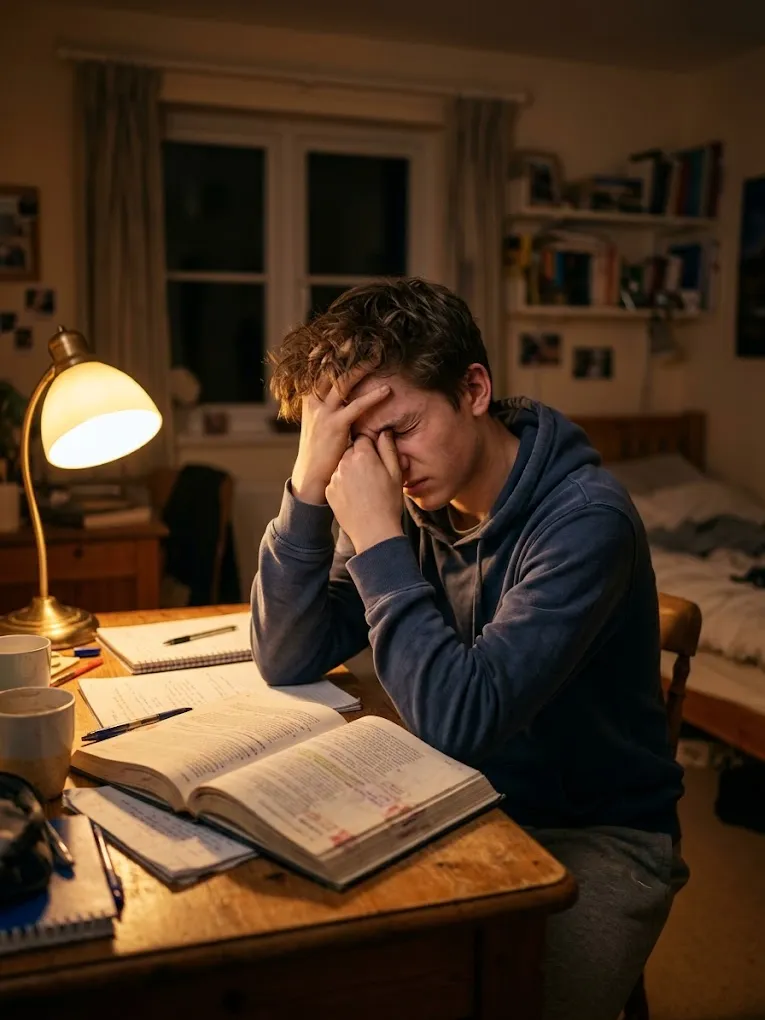
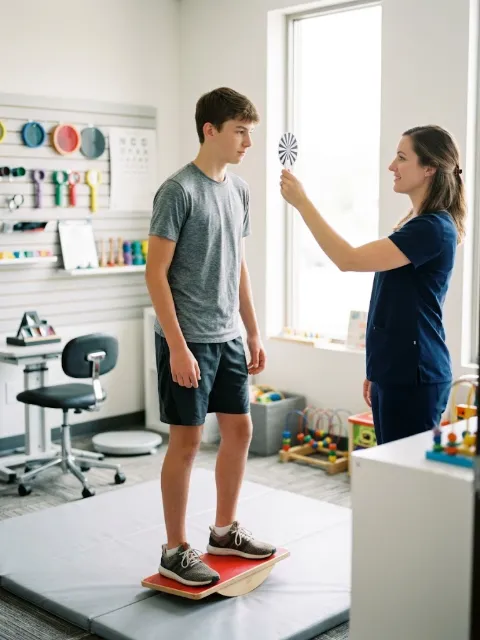
We assess
key primitive reflexes that affect vision, learning, balance and emotional regulation.
Working Harder Than Everyone Else, and Still Falling Behind
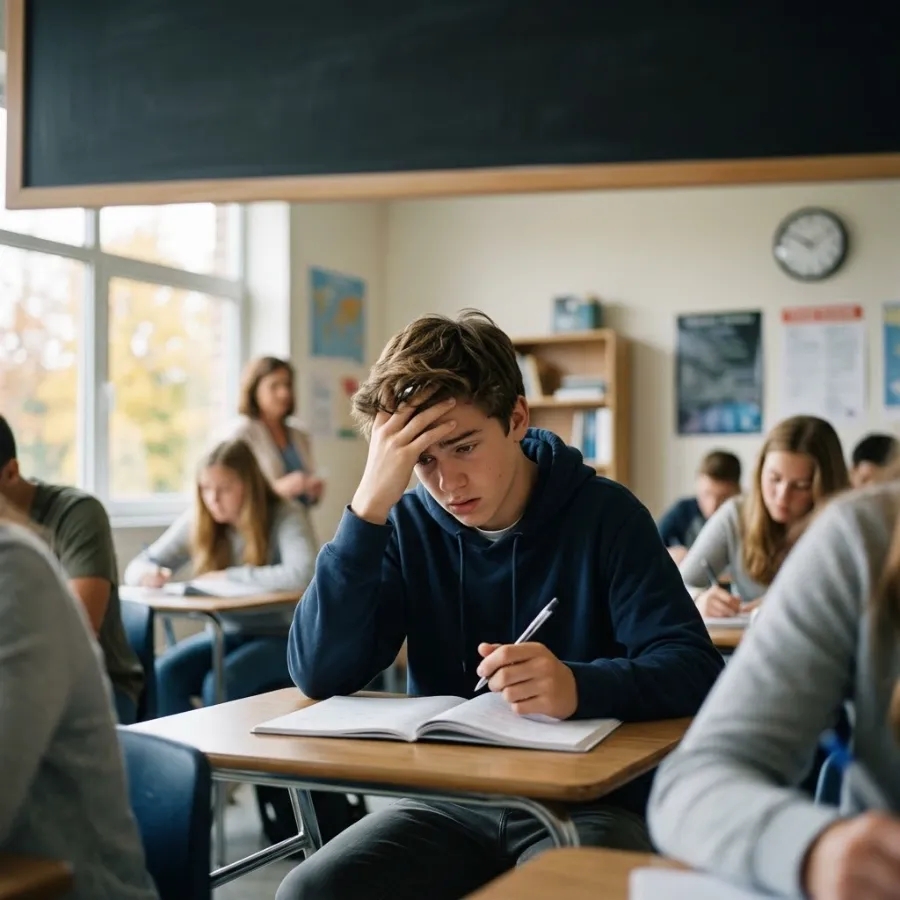
The hours are there. The effort is there. But reading, focus and coordination still take far more energy than they should, and the struggle often gets blamed on stress, motivation or attention.
Does this sound familiar?
- Skipping lines, losing your place, or re-reading the same sentence
- Trouble copying from the board or shifting focus from far to near
- Constant fidgeting and difficulty sitting still in class
- Clumsiness, poor balance, or motion sickness
- Being easily startled, anxious, or overwhelmed by bright light and noise
- Symptoms that started, or got worse, after a concussion
This isn’t laziness, and it isn’t a lack of intelligence. These patterns can be signs of retained primitive reflexes, and they can be assessed and addressed.
The Reflexes You Should Have Outgrown, and Why They Resurface
Primitive reflexes are automatic movement patterns present at birth. They are meant to integrate, fading into the background during the first months and years of life as higher brain centers take control. When they are retained, or when they re-emerge after a concussion or other brain injury, they keep running in the background and compete with the skills that school, sports and daily life demand.
Five reflexes with the biggest impact on vision and learning:
1. Moro Reflex (the “startle” reflex):
What it affects: Visual organization, emotional regulation and sensory processing.
Signs: An exaggerated startle response, light sensitivity, motion sickness, and a nervous system that seems stuck in “fight or flight.”
“Moro reflex is of key importance in visual organization and stability.”
2. Tonic Labyrinthine Reflex (TLR):
What it affects: Muscle tone, balance, spatial awareness and eye movements.
Signs: Poor posture, difficulty judging distances, poor balance, and motion sickness.
3. Symmetrical Tonic Neck Reflex (STNR):
What it affects: Shifting focus from near to far, posture at a desk, and hand-eye coordination.
Signs: Trouble copying from the board, slumping while working, and difficulty tracking or catching a ball.
4. Asymmetrical Tonic Neck Reflex (ATNR):
What it affects: Eye tracking, crossing the midline, handwriting and left-right coordination.
Signs: Eyes that jump instead of gliding across a page, losing your place, and uneven handwriting.
5. Spinal Galant Reflex:
What it affects: Sitting still, concentration and short-term memory.
Signs: Constant fidgeting, trouble staying on task, and sensitivity to waistbands or clothing tags.
Your Pathway to Integration
We use a comprehensive approach to find out which reflexes are active and how they are affecting vision, learning and self-regulation.
Comprehensive Brain-Visual Evaluation
1
We assess the key primitive reflexes, eye movements (tracking, fixation, focusing and eye teaming), visual processing, balance and coordination. We also review your history, including any concussions or head injuries.
Your Personalized Integration Plan
2
Based on your results, we design a program that combines targeted movement activities with vision therapy, with in-office sessions and short daily home exercises.
Integrate and Build
3
We track progress and adjust the plan as you go. As reflexes integrate, we build stronger eye movement control, focusing, balance and endurance for school, sports and daily life.
Your Questions, Answered
Can primitive reflexes still be addressed in teens and young adults?
Yes. It’s ideal to address retained reflexes early, but they can be assessed and worked on at any age with targeted therapy.
Can a concussion bring primitive reflexes back?
Yes. After a brain injury, the higher brain centers that normally keep these reflexes in check can be disrupted, and reflexes can re-emerge. This is one reason symptoms like anxiety, light sensitivity and poor balance can linger after a concussion.
Is this the same as ADHD or anxiety?
The symptoms can overlap. We don’t diagnose ADHD or anxiety, but we can identify whether retained reflexes and visual inefficiencies are contributing to what you’re experiencing. We’re happy to work alongside your other healthcare providers.
How long does reflex integration take?
Every person is different. After your evaluation, we’ll explain which reflexes are active and give you a realistic plan and timeline. Most programs combine regular in-office sessions with brief daily home exercises.
Is this covered by insurance?
Coverage varies by plan. Our team will help verify your benefits and explore payment options.
Related Care at Brain Vision Institute
More for teens & young adults
- All teen services
- Anxiety, Attention & Academic Performance
- Concussion Recovery
- Comprehensive Brain-Visual Evaluation
Primitive reflex care for other ages
Learn about our approach
References
- Optometrists Network. (n.d.). Vision Therapy for Primitive Reflexes. Retrieved from optometrists.org
- Andrich, A., & Andrich, P. (2019). Focusing on the Re-Emergence of Primitive Reflexes Following Acquired Brain Injuries. Neuro-Optometric Rehabilitation Association (NORA).
- Domingo-Sanz, V. A. (2024). Persistence of primitive reflexes associated with asymmetries in fixation and ocular motility values. Journal of Eye Movement Research, 17(2).
- Brain Balance Achievement Centers. (n.d.). Retained Primitive Reflexes as a Sign of Brain Imbalance. brainbalancecenters.com
Find the Barrier. Unlock Your Potential.
If school, sports or daily life take more effort than they should, especially after a concussion, a comprehensive evaluation can show whether retained reflexes are part of the picture, and what to do about it.