

Independence, Clarity & Confidence
When You Want to Keep Driving, Reading, and Living Confidently
You’ve worked hard to build a life you love. But now, subtle changes in your vision are starting to threaten your independence. Difficulty driving at night, trouble reading your favorite book, or avoiding social gatherings because you can’t see well — these are not things you have to accept. At Brain Vision Institute, we specialize in optimizing your visual performance to help you maintain your confidence, preserve your independence, and continue living life on your own terms.
There are
functional vision skills a standard eye exam doesn’t test — but they’re essential for your safety and independence.
The Subtle Ways Vision Loss Steals Your Freedom
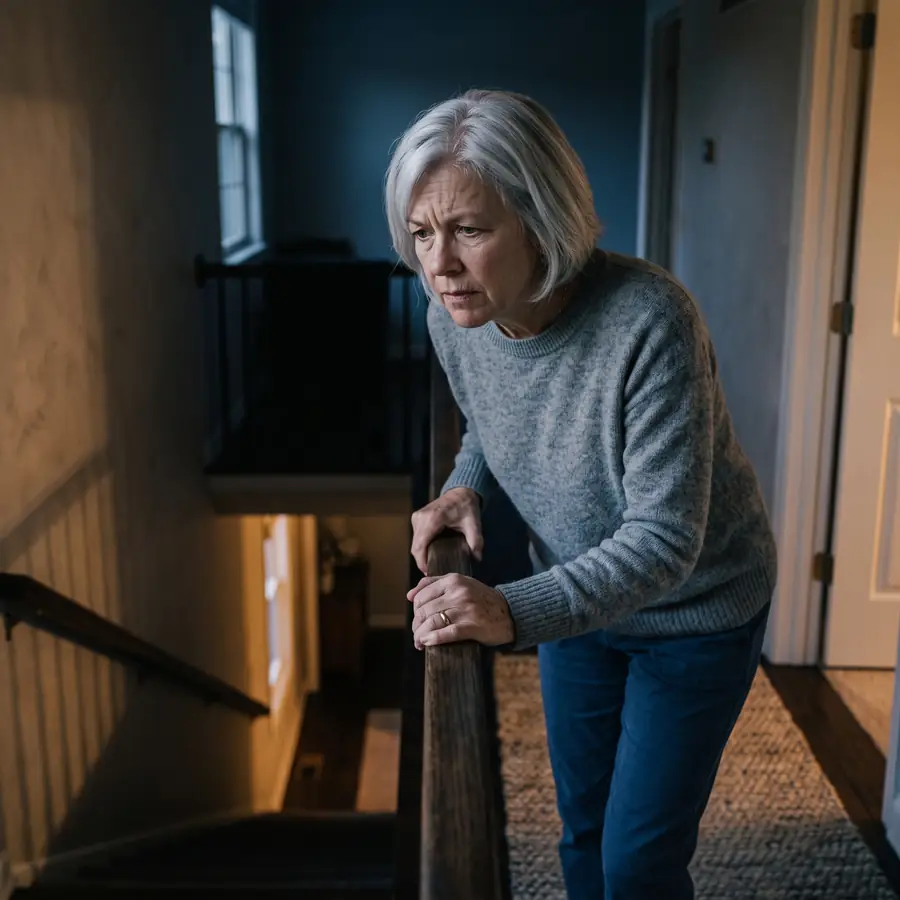
For many older adults, the loss of independence doesn’t happen all at once. It’s a slow erosion — a series of small concessions made to accommodate a visual system that is no longer working at its peak. You stop driving at night, then you avoid unfamiliar roads, then you stop driving altogether. You give up hobbies, you turn down social invitations, and your world starts to shrink.
Does this sound like you?
- “I don’t drive at night anymore. The glare from headlights is just too much.”
- “I get tired after reading for just a few minutes. I lose my place and have to re-read sentences.”
- “I feel anxious in crowded places like restaurants or grocery stores because it’s hard to see.”
- “I’ve had to give up hobbies I love, like sewing or woodworking, because I can’t see the details anymore.”
- “I’m worried about my next driver’s license renewal.”
These are not just signs of getting older; they are signs of a declining visual system that can often be improved with targeted intervention.
Why "Perfect" Vision Isn't Enough
Your ability to function confidently in the world depends on much more than just being able to read letters on an eye chart. Real-world vision requires a set of dynamic visual skills that are often the first to decline with age.
Contrast Sensitivity:
This is your ability to distinguish an object from its background. It is critical for seeing a pedestrian in the rain, judging a curb in the evening, or seeing facial expressions in a dimly lit room. Studies show that contrast sensitivity is a better predictor of driving safety than 20/20 acuity.
Glare Recovery:
How quickly your eyes recover from a bright light, like oncoming headlights. Slowed glare recovery is a major reason why many older adults give up night driving.
Visual Processing Speed:
How quickly your brain can make sense of what your eyes see. A split-second delay in processing can be the difference between hitting the brakes in time or having an accident.
Visual Stamina:
Just like any other muscle, your focusing system can get fatigued. A decline in visual stamina is why reading becomes tiring and can lead to headaches and eye strain.
These functional vision skills are rarely tested in a standard eye exam, but they are essential for your safety and independence.
Optimizing Your Vision for the Life You Want to Live
Our CogniViiSION® Longevity Framework is designed to go beyond a basic prescription to optimize the functional vision skills you need for driving, reading, and engaging with the world.
The Comprehensive Visual Performance Evaluation
1
We conduct a detailed assessment of your real-world vision — measuring your contrast sensitivity, glare recovery, visual processing speed, and visual stamina. We also perform a specialized driving vision assessment to identify any specific risks.
Your Personalized Independence Plan
2
Based on your evaluation, we create a customized plan to enhance your functional vision. This may include:
- Specialized Driving Lenses: We can prescribe lenses with specific tints and coatings that reduce glare and improve contrast to make driving, especially at night, safer and more comfortable.
- Therapeutic Reading Lenses: These are not just magnifiers. We can design custom lenses that reduce strain and improve your visual stamina for reading.
- In-Office Neuro-Visual Therapy: A program of activities designed to improve your visual processing speed and efficiency.
Maintaining Your Active, Independent Lifestyle
3
Our goal is to give you the visual confidence to continue doing the things you love — whether it’s driving to visit your grandchildren, reading a new book, or enjoying a night out with friends. We want to ensure that your vision is an asset, not a limitation.
Getting Back in the
Driver's Seat of Their Lives
Your Questions, Answered
Is it inevitable that my vision will get worse as I age?
While some age-related changes are normal, a significant decline in functional vision is not. Many of the issues that limit independence, like poor contrast sensitivity or glare recovery, can be improved with the right intervention.
How do I know if I'm safe to drive?
The vision test at the DMV is a very basic screening. Our comprehensive driving vision assessment provides a much more detailed picture of your visual capabilities and can identify potential risks before they become a problem.
Can you help me pass my driver's license vision test?
Our primary goal is to ensure you are a safe driver. In many cases, by improving your functional vision, we can help you meet the visual requirements for your driver’s license.
I already have glasses. Why do I need special ones?
Your everyday glasses are designed for general use. We can design specialized lenses that are optimized for specific tasks, like driving at night or reading, which can provide a level of clarity and comfort that your regular glasses cannot.
Related Care at Brain Vision Institute
More for adults 55+
Learn about our approach
References
- Owsley, C. (2011). Vision and driving in the older adult. Optometry and Vision Science, 88(2), 245–253.
- American Optometric Association. (n.d.). Senior Vision: Over 60 Years of Age. Retrieved from aoa.org
- AAA Foundation for Traffic Safety. (n.d.). Senior Driving. (Provides statistics and resources on older driver safety).
- National Institute on Aging. (n.d.). Aging and Your Eyes. Retrieved from nia.nih.gov
- College of Optometrists in Vision Development. (n.d.). Vision and Aging. (Provides information on functional vision skills).
- Amen, D. G. (2021). The End of Mental Illness. Tyndale House Publishers. (Provides context on brain health and function).
- Peer-reviewed journals on the impact of contrast sensitivity and glare recovery on driving performance.
Your Independence is Too Important to Lose.
You have decades of active, vibrant life ahead of you. Don’t let correctable vision problems stand in your way. Schedule a comprehensive visual performance evaluation and take the first step toward preserving your confidence, your freedom, and your quality of life.