Vision & Nutrition for Teens
Your Teen Lives on Pizza and Energy Drinks.
You Know It's Not Ideal.
But Did You Know It's Sabotaging Their Brain and Their Vision?
The brain and eyes are the most metabolically demanding parts of the body. The food your teen eats is the fuel that powers their ability to learn, their performance on the field, and their resilience against hours of screen time. A diet of processed foods is like putting low-grade fuel in a high-performance engine. We can show you how to upgrade their fuel to unlock their full potential.
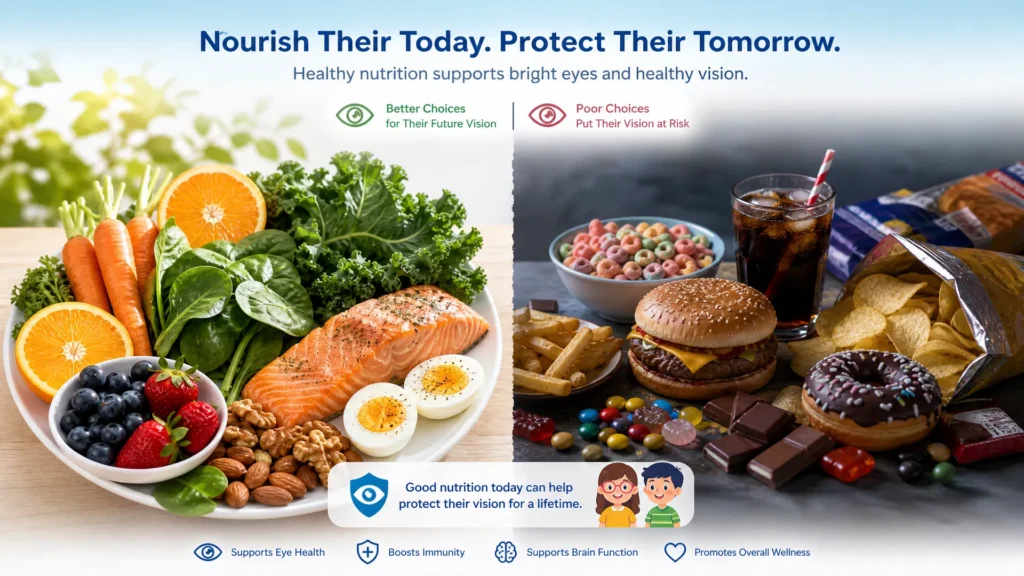
Food Isn't Just for Growth.
It's for Performance.
As a parent, you’ve probably had the “eat your vegetables” battle a thousand times. But what if you could frame it differently? What if you could show your teen that the right foods are a competitive advantage in every area of their life?
The brain consumes over 20% of the body’s total energy. The retina, at the back of the eye, has the highest metabolic rate of any tissue in the body. They are hungry organs, and they crave specific nutrients to function at their peak.
The Amen Clinics Connection: Dr. Daniel Amen's work with brain SPECT imaging has visually demonstrated how diet impacts brain function. A brain fueled by sugar and processed foods looks different from a brain fueled by healthy fats, antioxidants, and clean protein. Better food choices lead to better brain activity, which translates to better focus, memory, and mood.
The right food is a competitive advantage.
Better food choices lead to better brain activity, which translates to better focus, memory, and mood — on the field and in the classroom.
The High-Performance Diet: Eating for the Win
“Fueling the Teen Athlete for a Competitive Edge — nutrition isn’t just about calories; it’s about the specific nutrients that enhance visual processing and reaction time.”
Omega-3 Fatty Acids: The Reaction Time Nutrient
What It Is: Found in fatty fish (salmon, mackerel), walnuts, and flaxseeds.
Why It Matters: The brain is 60% fat, and Omega-3s are a critical building block for brain cells. They improve cell membrane fluidity, which allows for faster nerve signals. For an athlete, this means faster visual processing and quicker reaction times. They also have powerful anti-inflammatory properties to aid in recovery.
Antioxidants: The Recovery Nutrient
What They Are: Found in colorful fruits and vegetables, especially berries, leafy greens, and bell peppers.
Why It Matters: Intense physical activity creates oxidative stress. Antioxidants neutralize this stress, reducing muscle soreness and helping the body recover faster.
Lean Protein: The Focus Nutrient
What It Is: Found in chicken, fish, eggs, beans, and lentils.
Why It Matters: Protein provides the amino acids needed to create neurotransmitters like dopamine, which is essential for focus, motivation, and concentration.
How These Three Nutrients Work Together:
Omega-3s build faster nerve connections, antioxidants speed recovery from every practice and game, and lean protein fuels the focus to make it all count — together, they give your teen a true competitive edge.
Building Your Digital Armor: Combating Screen Time from the Inside Out
Meet Your Internal Sunglasses: Lutein & Zeaxanthin
Your teen spends hours staring at screens, bathing their eyes in high-energy blue light. This generates massive oxidative stress in the retina. You can help them build a natural defense system.
What They Do
- Two powerful antioxidants naturally found in high concentrations in the macula (the center of the retina)
- Act like internal sunglasses, absorbing and filtering out harmful blue light before it can damage the sensitive retinal cells
The Problem
- The body can’t make Lutein and Zeaxanthin — they must come from our diet
Where to Find Them
- Leafy green vegetables (spinach, kale)
- Corn
- Egg yolks
- Orange and yellow bell peppers
What the Research Shows
Studies show that higher levels of Lutein and Zeaxanthin in the retina are associated with reduced symptoms of digital eye strain, improved contrast sensitivity, and better glare recovery.
For teens who spend hours on screens for school, gaming, or social media, building up these nutrients is one of the simplest ways to protect long-term eye health.
The BVI Vision & Nutrition Program
We know you can’t transform your teen’s diet overnight. Our program is designed to be practical, actionable, and teen-approved.
The Vision & Lifestyle Analysis
1
We start with a comprehensive evaluation of your teen’s visual system and a detailed discussion about their current diet, sleep habits, and academic/athletic demands.
A Personalized Nutrition & Supplement Plan
2
Based on their specific needs, we’ll create a simple, easy-to-follow plan. This isn’t about a restrictive diet; it’s about smart swaps and powerful additions. We may also recommend high-quality, professional-grade supplements (like Omega-3s, Lutein, or specific vitamins) to fill in any nutritional gaps.
Coaching & Support
3
We provide you and your teen with the resources you need to succeed, including:
- Teen-friendly recipes (smoothies, healthy snacks, easy meals)
- Smart swap guides (e.g., swap the energy drink for a green tea)
- Ongoing support to help you implement the changes and track the results
Real Stories of Fueling Success
Liam’s Brain Fog
Before:
17-year-old Liam was struggling to focus in his AP classes. He lived on fast food and soda.
After:
“The nutrition consultation was eye-opening. We started with a few simple changes, like adding a high-quality Omega-3 supplement and swapping his morning cereal for eggs. Within a month, he said his ‘brain fog’ was gone. He felt sharper, more focused, and his grades went up. He said it was easier to study because his brain just ‘worked better.'”
— Karen, Liam’s Mom
Ava’s Secret Weapon
Before:
16-year-old Ava was a dedicated competitive swimmer, but she was always sore and fatigued.
After:
“We worked with BVI on a nutrition plan focused on anti-inflammatory foods and antioxidants. We added more berries, leafy greens, and salmon to her diet. She said she felt stronger in the water and recovered faster between practices. Her coach even commented on her improved focus and reaction time off the blocks.”
— Chris, Ava’s Dad
Why It Works
Whether it’s sharper focus in the classroom or faster recovery on the field, the pattern is the same: when the brain and eyes get the right fuel, everything else gets easier.
Investing in your teen’s nutrition is one of the most powerful things you can do to support their long-term health and success.
Frequently Asked Questions
Your Questions, Answered
My teen is a picky eater. How will I ever get them to eat these foods?
We focus on small, manageable changes. We’ll work with you to find healthy foods your teen actually likes and provide creative ways to incorporate them, like hiding spinach in a fruit smoothie or swapping regular pasta for a protein-packed lentil pasta.
Can't we just get these nutrients from a multivitamin?
While a multivitamin can be helpful, the body absorbs and utilizes nutrients most effectively when they come from whole foods. Additionally, many over-the-counter supplements are of poor quality and don’t provide the therapeutic doses needed to see a real difference. We recommend professional-grade supplements when needed.
How quickly can we expect to see a difference?
While some teens report feeling more focused and energetic within a few weeks, it can take 2-3 months for nutrient levels to build up in the body and for the full benefits to the brain and eyes to become apparent.
References
- Amen, D. G. (2015). Change Your Brain, Change Your Life. Harmony.
- Gómez-Pinilla, F. (2008). Brain foods: the effects of nutrients on brain function. Nature Reviews Neuroscience.
- American Optometric Association. (n.d.). Diet & Nutrition. aoa.org
- Stringham, J. M., et al. (2017). Macular Carotenoid Supplementation Improves Visual Performance, Sleep Quality, and Reduces Physical Strain in Those with High Screen Time Exposure. Foods.
Upgrade Their Fuel. Upgrade Their Future.
Give your teen the nutritional tools to see, think, and perform at their best. Investing in your teen’s nutrition is one of the most powerful things you can do to support their long-term health and success. Schedule a consultation to learn how simple dietary changes can make a profound difference.